
Last updated October 16, 2026
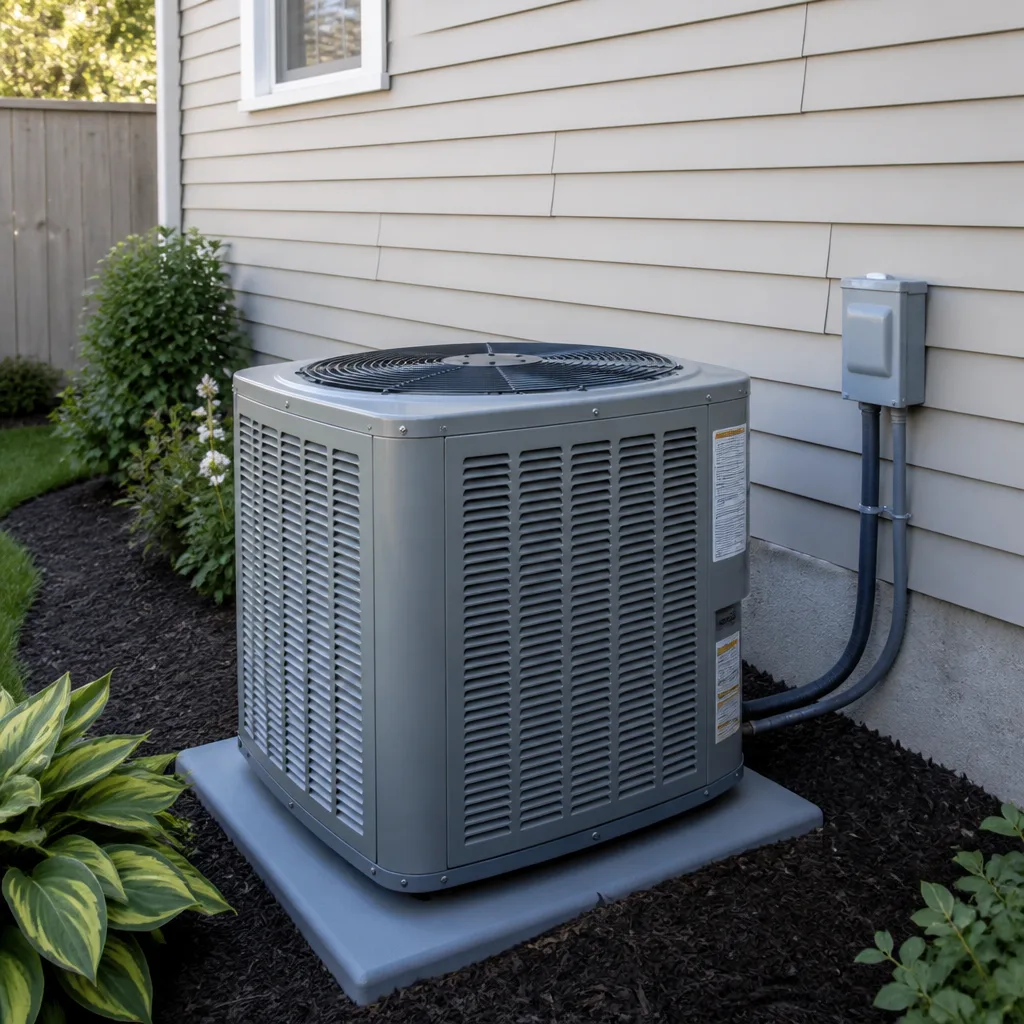 AC repair
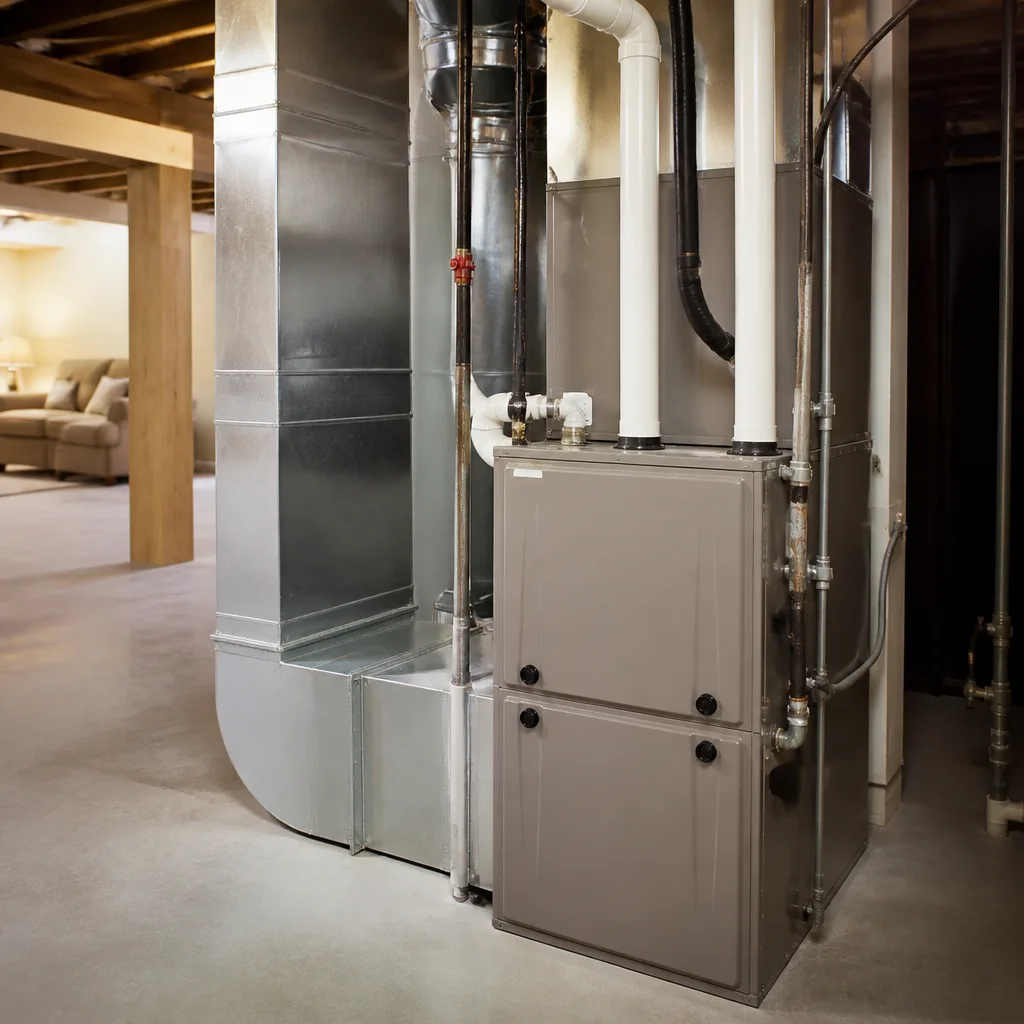 Furnace & heating
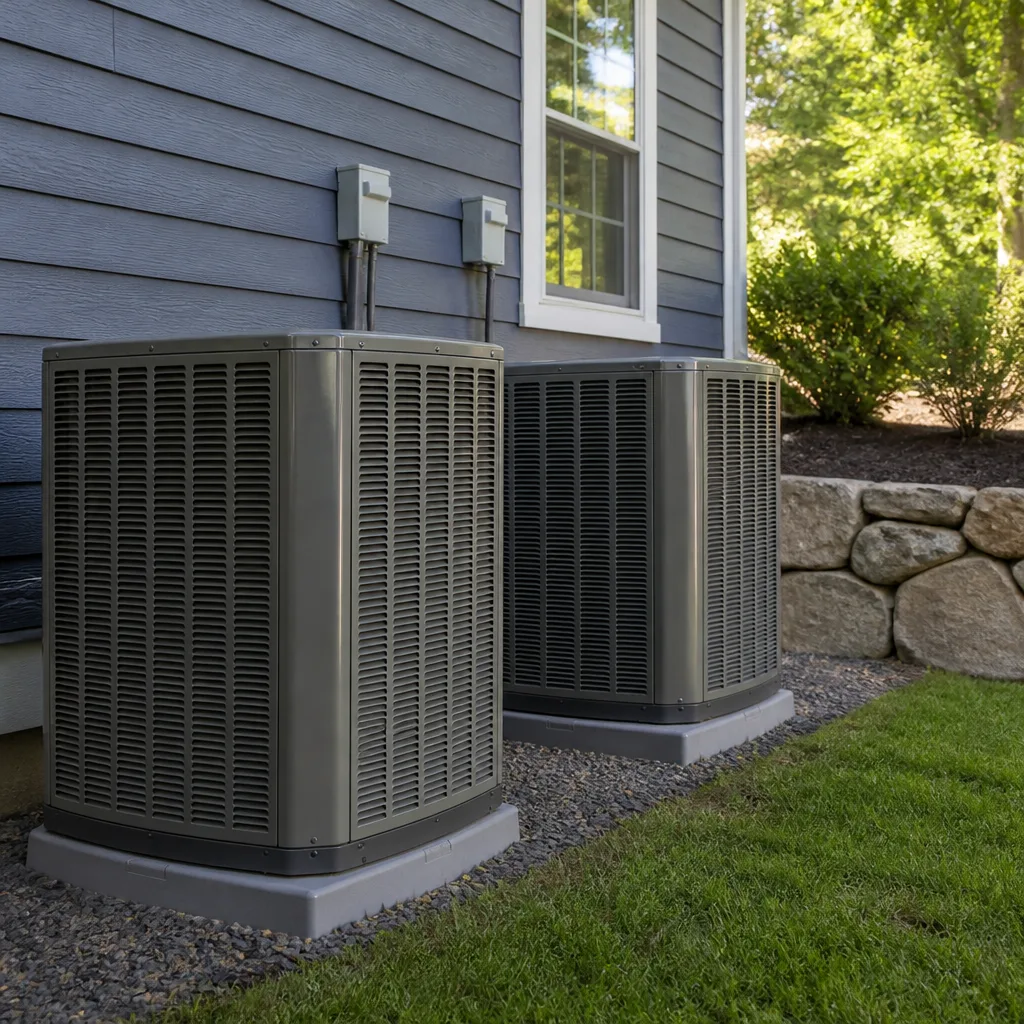 Heat pumps
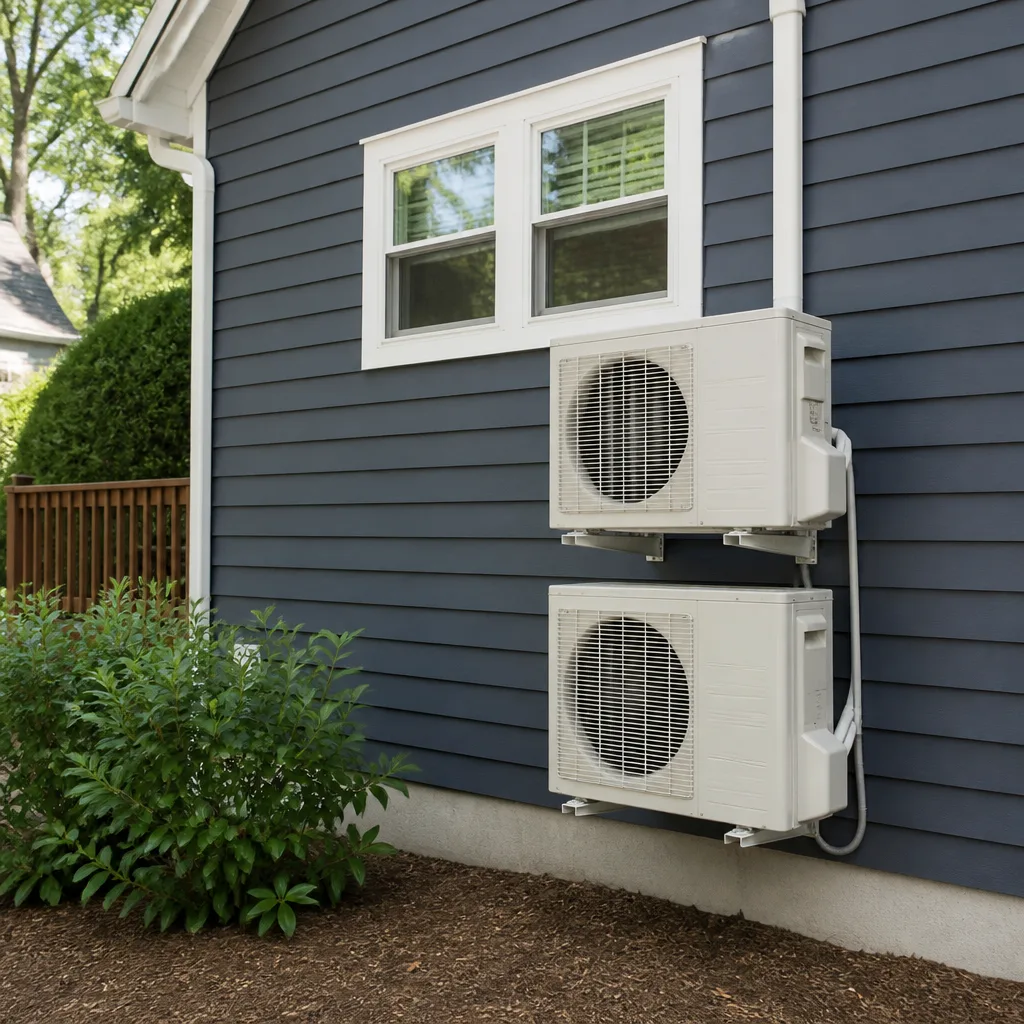 Ductless mini splits
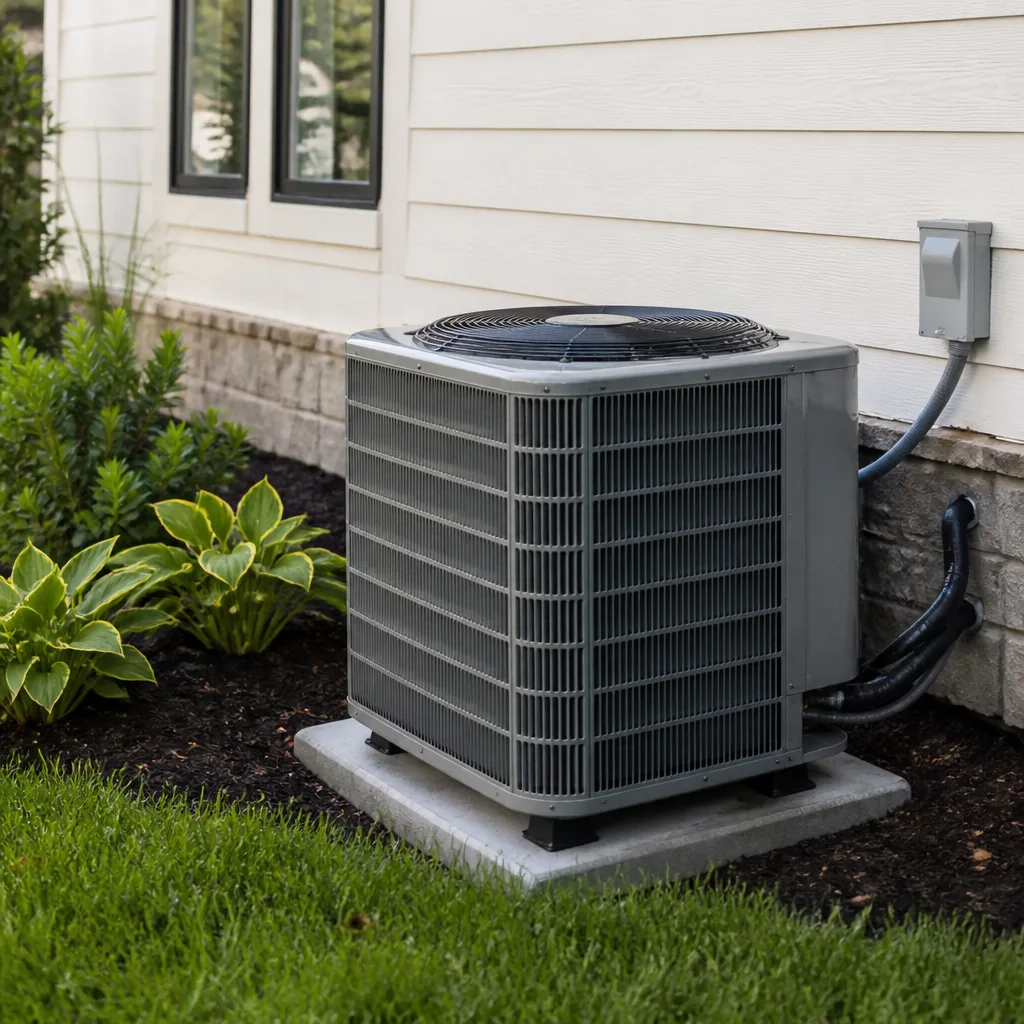 Carrier
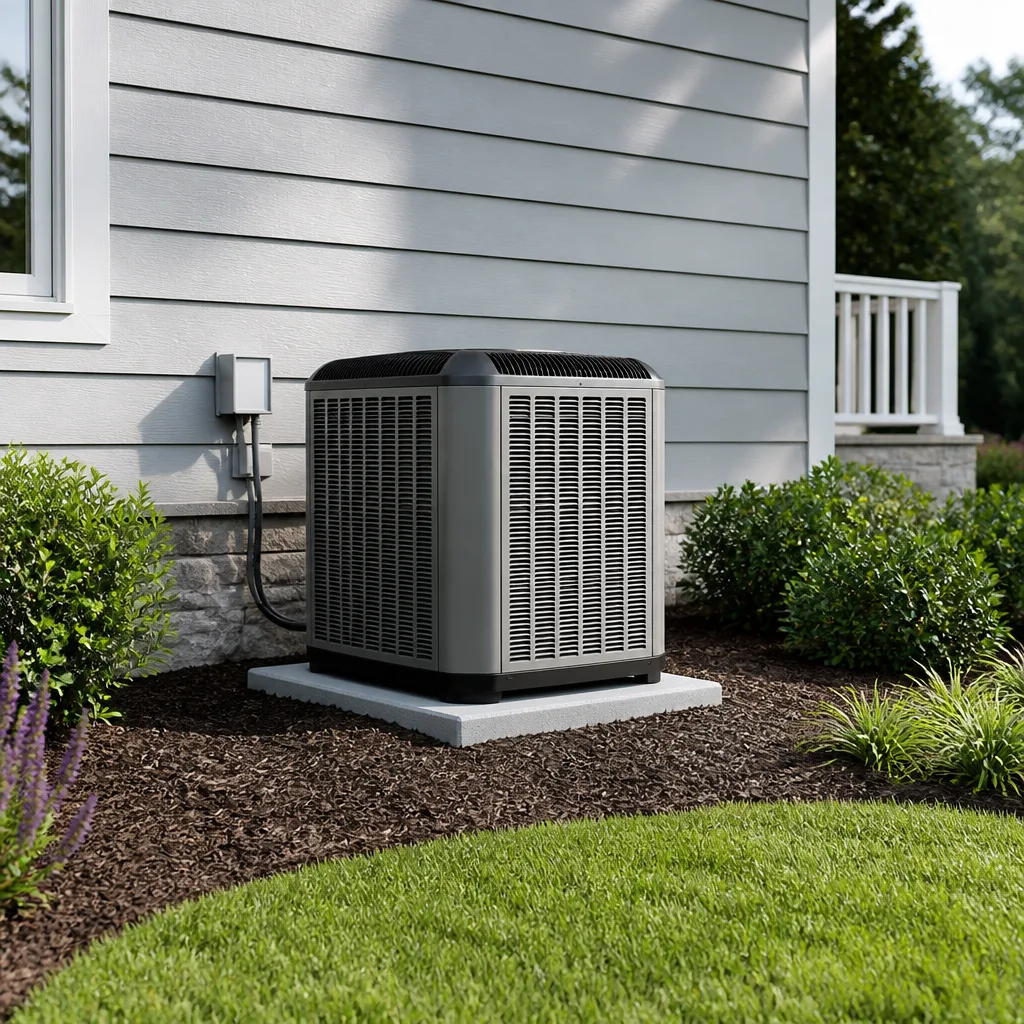 Trane
Trane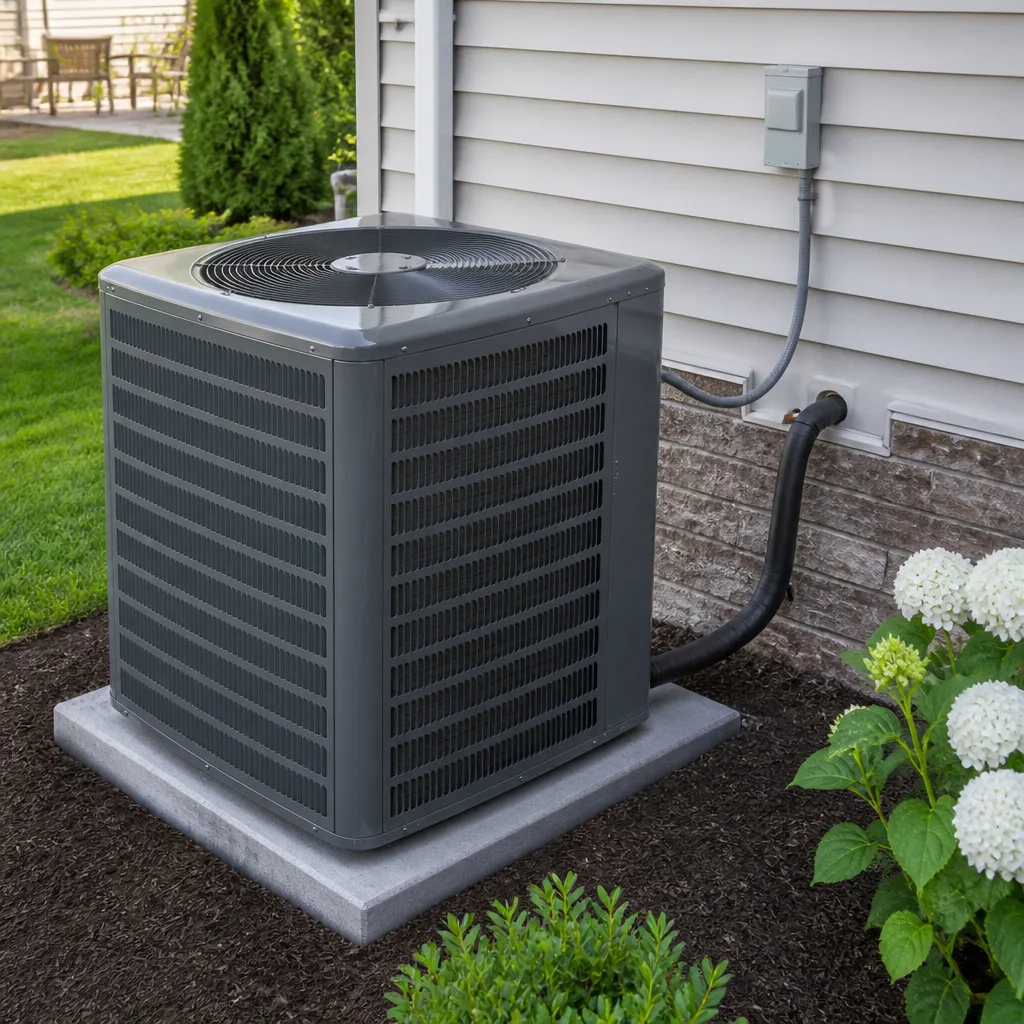 Goodman
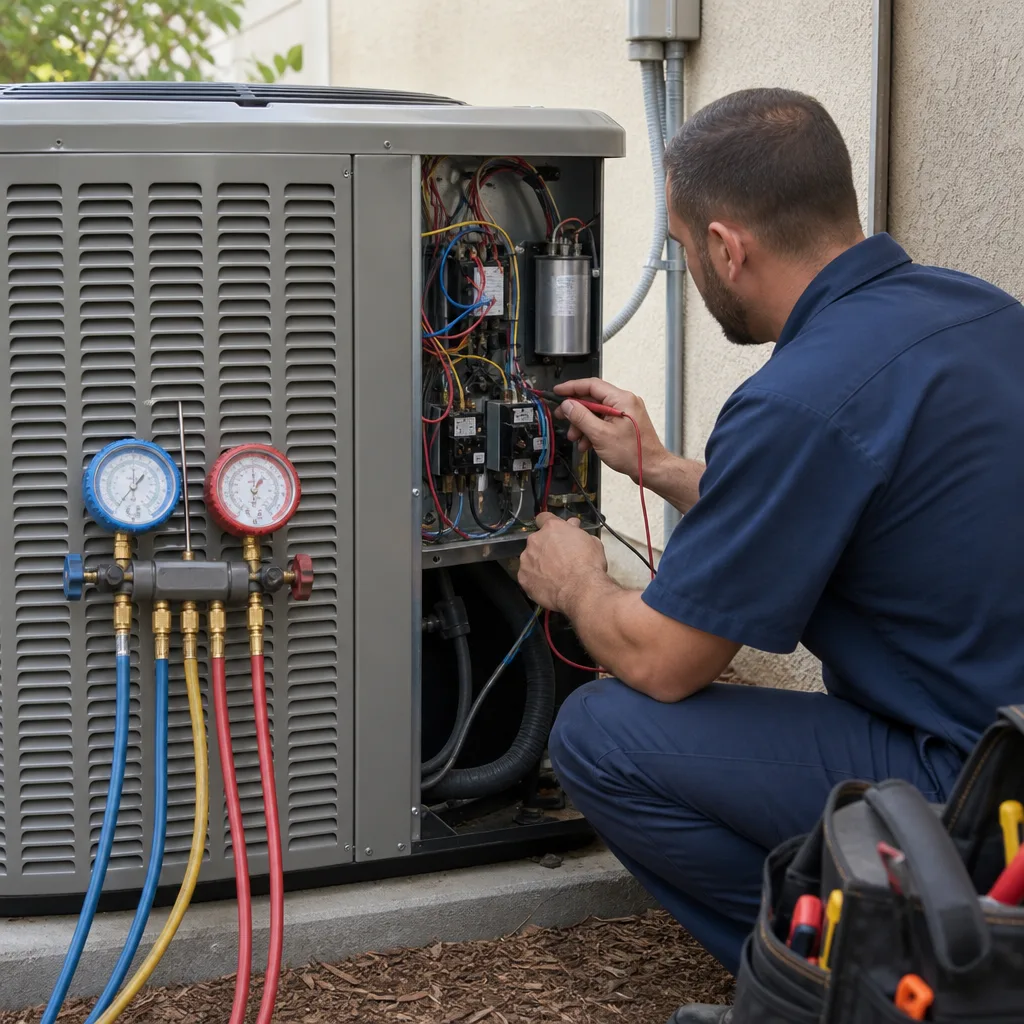
Seasonal tune-up and full diagnostic on your Carrier, Trane, or Goodman system - readings shown to you before any repair is proposed
Diagnosis first, numbers second - you approve the repair price before a single part goes in.
Get your free estimateHVAC Cost Breakdown: The Orlando Homeowner’s Reference for 2026
Two Orlando homeowners with identical 2,000-square-foot homes, identical failed 3-ton units, and identical zip codes can receive quotes that differ by $4,000 for the same equipment and labor – and both quotes can be technically “fair.” The difference isn’t price gouging. It’s markup structure, warranty terms, and whether the permit fee is baked into the line items or buried in the fine print. You can only spot it if you know what each component should cost in this market. This guide walks through the actual 2026 numbers, line by line, so you can read a quote like someone who has already done their homework.
Styles & brands we work with
Quick Answer
A full HVAC system replacement in Orlando in 2026 runs roughly $7,500 to $14,500 for a standard 3-ton system, depending on SEER2 rating (efficiency tier), brand, and attic access difficulty. Most AC repairs fall between $150 and $500 when it’s a component like a capacitor or a contactor, while refrigerant recharges run $200 to $600 depending on how low the system is and what refrigerant it uses. Get a written line-item quote before anyone touches your unit – and ask specifically whether the permit fee and disposal are included.
Table of Contents
- Equipment Costs by Tonnage and SEER2 Tier
- Labor, Permits, and Disposal: The Often-Hidden Fees
- Repair Cost Benchmarks Every Orlando Homeowner Should Know
- Three Legitimate Reasons Quotes Vary (That Aren’t Scams)
- How Orlando Utility Rebates Actually Work
- HVAC Financing: When a Monthly Plan Beats Paying Cash
- Common Mistakes to Avoid
- When to Call a Professional
- Frequently Asked Questions
- The Bottom Line
Equipment Costs by Tonnage and SEER2 Tier
The equipment itself – the condenser outside and the air handler or furnace inside – typically represents 45% to 60% of your total replacement quote in Orlando. Here’s what you can expect to pay for the hardware alone in 2026, before labor, permits, or any ductwork modifications. These are ranges for mid-tier brands like Goodman, Rheem, and Trane’s base lines. Premium lines from Trane and Lennox run 15% to 25% higher.
- 2-ton system (1,200-1,500 sq ft): $3,800-5,200 for 14.3 SEER2, $5,500-7,000 for 16 SEER2, $7,500-9,200 for 18+ SEER2
- 3-ton system (1,600-2,200 sq ft): $4,200-5,800 for 14.3 SEER2, $6,000-7,800 for 16 SEER2, $8,200-10,500 for 18+ SEER2
- 4-ton system (2,300-2,800 sq ft): $4,800-6,500 for 14.3 SEER2, $6,800-8,800 for 16 SEER2, $9,500-12,000 for 18+ SEER2
- 5-ton system (2,900-3,500 sq ft): $5,500-7,500 for 14.3 SEER2, $7,800-10,000 for 16 SEER2, $10,800-13,500 for 18+ SEER2
SEER2 is just the efficiency rating for cooling output per watt consumed. A higher number means lower monthly Orlando summer bills, but it also means a more expensive unit upfront. The 14.3 SEER2 tier is now the federal minimum for new installations in Florida and the Southeast as of 2025, so anyone quoting you below that is likely offloading older stock or misstating the spec. In our experience serving homes across Orlando – from College Park to Lake Nona – the sweet spot for most homeowners is 15 to 16 SEER2. You get meaningful bill reduction without paying the premium that 18+ SEER2 commands, which often takes eight to ten years to recoup through savings alone.
Brand matters less than the installer’s labor warranty. A Goodman and a Trane at the same SEER2 rating will cool your home equally well. What separates them is parts availability, cabinet material, and sound levels. For a deeper look at what installation involves, see our guide on AC Installation in Orlando.
Labor, Permits, and Disposal: The Often-Hidden Fees
The three line items contractors love to fudge are labor, permit fees, and refrigerant disposal. Here are the honest 2026 ranges for the Orlando market.
| Line Item | Low | Mid | High | Notes |
|---|---|---|---|---|
| Labor (full system swap) | $1,800 | $2,400 | $3,500 | Higher end = difficult attic access, crane lift, or two-man crew on a 2-story home |
| Permit fee (Orange County) | $75 | $150 | $300 | Mechanical permit; some contractors mark this up 2-3x |
| Refrigerant (R-410A, full charge for 3-ton) | $250 | $400 | $650 | R-410A prices climbed 60% since 2023 phase-down started |
| Disposal / haul-away | $0 | $100 | $250 | Some companies absorb this; some itemize it |
| Duct modification (transition + plenum) | $300 | $600 | $1,200 | Required when new unit dimensions don’t match old duct connections |
| Electrical disconnect + whip | $150 | $250 | $450 | Cheap to replace, often inflated on quotes |
Refrigerant is worth a longer look because this is where Orlando homeowners get overcharged the most on repairs and replacements. R-22 – the old Freon – has been phased out of production since 2020. Remaining stock is recycled or recovered, and prices reflect scarcity: a full R-22 recharge on an older system can run $800 to $1,500 in 2026. If your AC was installed before 2010, chances are good it runs on R-22, which means any leak repair now becomes a serious financial decision. At that price point, replacing the system often makes more sense than feeding refrigerant into a dying unit. The math has changed from five years ago, and plenty of contractors won’t tell you that outright because they make more money selling you the recharge.
Ask every bidder: “Is the permit included, and what does it cost as a line item?” A contractor who includes permit fees transparently is one who isn’t structuring the quote to look cheaper than it is. Same principle applies to the disposal fee and the electrical whip. If someone quotes you $7,200 for a job that another company itemizes at $8,100, the missing $900 is almost always these three categories.
Repair Cost Benchmarks Every Orlando Homeowner Should Know
If your system is acting up – weak airflow, warm air, short cycling – you’ll want to know whether the repair quote you get is fair before you say yes. For a quick diagnostic on what those symptoms mean, see our HVAC Warning Signs: A Orlando Homeowner’s Reference Guide. Here are the 2026 Orlando benchmark ranges for the six most common AC repairs we see across the city. These include parts and labor together, which is how most companies structure repair pricing.
- Capacitor replacement: $150-$300. The most common failure point in Florida’s heat. The capacitor is the starter component that gives the compressor and fan motor the jolt they need to spin up. Orlando’s daily thermal cycling kills capacitors fast.
- Contactor replacement: $140-$260. The contactor is the electrical switch that tells the outdoor unit when to run. Arcing and pitting over time causes intermittent failure. Often misdiagnosed as a compressor failure.
- Refrigerant recharge (R-410A, 2-4 lbs): $180-$450. The refrigerant is the coolant your system needs to produce cold air. Note: a recharge without fixing the leak is a band-aid. If your tech doesn’t locate the leak, get a second opinion.
- Blower motor replacement (ECM): $550-$1,100. The blower motor is the fan inside your air handler that pushes conditioned air through your ducts. ECM motors are the variable-speed type found in newer units and cost more than the older PSC type.
- Condensate drain line clearing: $85-$200. Orlando humidity means algae and sludge build-up in the drain line is a near-annual event. This is the line that removes moisture your AC pulls from the air.
- Evaporator coil cleaning: $150-$350. The evaporator coil is the indoor component that absorbs heat from your home’s air. A dirty coil reduces efficiency and airflow. Cleaning is part of routine maintenance, not a repair – but it’s included here because it’s a common first-visit recommendation.
When you’re looking at a repair bill, the biggest red flag isn’t the price itself – it’s the vagueness. “Electrical issue, needs replacement part” isn’t a diagnosis. A legit repair quote names the part, the reason it failed, and the labor to replace it. It also comes with a written guarantee on the repair itself. Every repair our team at Halden does includes a written guarantee. If it fails within the coverage window, we come back at no charge – no call-back arguments, no “it’s a different issue this time.” That’s what a guarantee should mean. For more on what to expect from a repair visit, see AC Repair in Orlando.
Three Legitimate Reasons Quotes Vary (That Aren’t Scams)
That $4,000 gap between two quotes for the same equipment isn’t always a ripoff. Here are the three factors that legitimately drive an Orlando HVAC quote above the baseline – and how to tell if the higher number is justified or inflated.
- Attic access difficulty. In Orlando neighborhoods where homes were built in the 1960s through 1990s – Conway, Azalea Park, Pine Hills – the air handler often sits in a tight attic with limited clearance. A replacement that requires the crew to navigate a 22-inch scuttle hole, work in a 130-degree attic in July, and maneuver a 90-pound air handler around trusses will carry a higher labor charge. We schedule attic-heavy jobs for early morning shifts in our Orlando service area, which keeps labor costs static instead of adding a “summer attic surcharge” that some companies tack on between June and September.
- Duct replacement scope. If your home has the original flex duct from a 1980s build, it’s likely leaky, undersized, or both. A good installer will tell you that putting a new high-SEER system on bad ducts wastes 20-30% of the efficiency you paid for. Duct replacement in a 2,000-square-foot Orlando home typically runs $3,500 to $6,500 depending on accessibility and linear footage. Contractors who omit duct assessment from a quote are either cutting corners or planning to “discover” the problem after the equipment is on order.
- Electrical panel upgrades. Modern heat pumps and higher-efficiency AC units can draw more amperage at startup than the 100-amp panels common in older Orlando homes. If your breaker panel is maxed out, a circuit addition or panel upgrade is a legitimate line item that can add $800 to $3,000. The difference between a good contractor and a bad one is that the good one checks your panel during the estimate visit and includes the cost in the written quote. The bad one discovers it on install day and sends a change order.
The takeaway: a higher quote isn’t automatically unfair, but it should always be explained in specifics. “Your attic is tight and the air handler has to be broken down into sections” is a reason. “It’s just a harder job” is not. Demand itemization. If a contractor won’t give you a line-by-line breakdown in writing before the job starts, that’s the real red flag – regardless of the price.
How Orlando Utility Rebates Actually Work
Florida utility rebates for HVAC equipment exist, and they can knock $300 to $1,200 off your effective cost – if you follow the process correctly. The two programs that matter in Orlando are OUC (Orlando Utilities Commission) and Duke Energy Progress. Here’s the real application flow, not just the marketing version.
- Confirm eligibility before you buy. OUC offers rebates on new heat pump installations and AC replacements that meet a minimum SEER2 threshold (currently 16 SEER2 for a partial rebate, 17+ SEER2 for the full tier). Duke Energy Progress, which serves parts of the greater Orlando metro outside the OUC boundary, has a similar tiered structure. Rebates apply to the outdoor unit replacement or the full system. You cannot apply retroactively, so verify the specific model qualifies before signing the install contract.
- Have the installing contractor submit the paperwork. This is where most homeowners get lost. The rebate isn’t a store coupon. It’s a utility-administered program that requires the contractor to submit the AHRI certificate (the document proving your condenser and coil combo meet the efficiency rating), the invoice, and the permit number. Some contractors handle this as a courtesy. Some charge an admin fee. Some forget entirely and you find out six months later that your rebate expired. Ask directly: “Will you submit the OUC rebate paperwork, and is that included in your price?”
- Expect 8 to 12 weeks for processing. The rebate arrives as a check or a bill credit. It is not instant. Plan for it as a delayed offset, not a point-of-sale discount. If a contractor advertises “instant rebates” on equipment, what they’re actually doing is discounting by the rebate amount and keeping the utility check themselves – which is legal if disclosed, but worth understanding. You’re not getting a utility discount. You’re getting a contractor discount equal to what the contractor will recoup.
The net effect: if you’re replacing a 3-ton unit with a 16 SEER2 heat pump and you live in an OUC-served neighborhood like Thornton Park or College Park, your real-world cost after rebate could be $400-$700 lower than the sticker price. That’s not nothing. But it’s also not the $2,000 “rebate savings” you’ll see in online ads from companies that bundle the utility rebate with their own promotional discount to inflate the number.
HVAC Financing: When a Monthly Plan Beats Paying Cash
Most HVAC companies in Orlando push financing because it converts a $9,000 replacement into a $110-a-month line item that feels manageable. Sometimes that’s the right call. Sometimes it’s a worse deal than a short-term personal loan from a credit union. Here’s how to think about it in 2026 terms.
When financing makes sense: You have a system that failed in July, you don’t have $9,000 liquid, and you can’t wait. Paying 6.99% to 9.99% APR on an HVAC-specific loan to get cold air flowing immediately is better than suffering through an Orlando summer, putting a window unit in each bedroom, or damaging your home to humidity. Same applies if you’re replacing a furnace in January, though that’s less of an emergency here than up north. Our Furnace Repair in Orlando page covers the heating-side scenarios.
When financing is a worse deal: You have the cash or access to a credit union personal loan at 8% or under. HVAC-specific financing often carries 0% intro periods that convert to 18-24% APR after 12-18 months if not paid in full. If you miss the payoff window, the deferred interest hits retroactively on the entire original balance. That’s a $2,500 surprise on a $10,000 system. Before you sign any HVAC financing agreement, ask three questions: What is the APR after the promo period? Is interest deferred or waived? Is there a prepayment penalty?
The rent-vs-buy analogy works here: financing an HVAC system is like renting the cooling instead of owning it. At 0% for 12 months with a discipline to pay it off in 11, you’re renting at a zero rate and coming out ahead. At 20% APR over seven years, you’re paying $4,800 in interest on a system that’s worth $6,000 by year seven. Run the total cost, not just the monthly payment. A reputable contractor won’t push you into one option. They’ll show you both and let the numbers stand.
Halden Heating and Air is part of the Relay Home Co. network, and one standard we’re held to is The Relay Standard: a written price before any work starts, every time. When you call us for Halden Heating and Air Orlando home, the estimate you get is the price you pay – whether you’re paying cash or through a financing plan. No door-step revisions. No “the install crew found additional issues” surprises at 10 a.m. on install day.
Common Mistakes to Avoid
- Accepting a quote without a line-item breakdown. “Full system replacement – $8,900” tells you nothing. If a contractor in Orlando won’t itemize equipment, labor, permit, and disposal, you cannot compare it to anyone else’s quote. You’re trusting a handshake. Ask for the breakdown in writing.
- Assuming the lowest quote is the best deal. The cheapest bid in Orlando often omits the permit, uses uncertified labor, or skips duct assessment. When the permit gets pulled after the fact or the duct issue surfaces a month later, the “savings” evaporate. Price is a factor. It should not be the only factor.
- Ignoring the labor warranty. Equipment manufacturers warrant parts for 5-10 years, but they don’t cover labor. A compressor that fails in year three under a parts warranty still costs $1,200-$2,000 in labor to replace unless the installer’s labor warranty covers it. Every repair our team at Halden does comes with a written guarantee. Ask your contractor what their labor warranty covers and for how long.
- Waiting to replace an R-22 system until it fully dies. If your unit runs on R-22 and develops a leak, you’ll pay $150+ per pound for recycled refrigerant to keep it alive. That’s $800-$1,500 every recharge. Two recharges and you’ve spent half the cost of a new system on a unit that’s still old and inefficient. The Orlando humidity accelerates this math because systems here run 3,000+ hours a year.
- Skipping the permit. Some contractors offer a discount to work “under the table” on installation. That discount means no county inspection, no record of the work, and potential problems when you sell the home. Orange County requires mechanical permits for system replacements. If a contractor suggests skipping it to save $150, ask what else they’re willing to skip.
- Not asking about the rebate process upfront. The OUC and Duke Energy rebates are real money, but they require contractor participation. If you don’t ask, some contractors simply won’t submit the paperwork, and you’ll never know a $500 check was available to you.
- Replacing equipment without evaluating the ducts. New equipment on 30-year-old leaky ducts is a waste of efficiency. If your ducts are original to the home and no one has inspected them, ask for a duct assessment as part of the quote. It’s the difference between a system that performs to spec and one that doesn’t.
When to Call a Professional
Call a professional when you hear grinding, screeching, or banging from the outdoor unit – those are compressor or fan motor failure signals, and running the system through the noise turns a $250 repair into a $2,000 replacement. Call when your system is short cycling (turning on and off every few minutes), when the air blowing from your vents is warm or weak, or when your electric bill spikes 30%+ in a month without a corresponding weather change. If you smell burning or see ice forming on the outdoor lines, shut the system off immediately and call. Halden Heating and Air Orlando offers free estimates in Orlando – call (850) 695-3178 and you’ll get a live person, a booked appointment, and a written price before any work starts.
Frequently Asked Questions
A full HVAC system replacement in Orlando runs $7,500 to $14,500 for a standard 3-ton unit in 2026, with the final number depending on SEER2 rating, brand tier, attic access, and whether duct modification is needed. The equipment itself is 45-60% of that total. Call (850) 695-3178 for an exact quote on your home – estimates are free and the price is delivered in writing before any work starts.
A fair price for common AC repairs in Orlando is $150 to $500 for parts like capacitors, contactors, and drain line clearing, while more involved repairs like blower motor replacement run $550 to $1,100. If a repair quote is vague about what part is being replaced, get a second opinion. Call (850) 695-3178 for a written diagnosis and repair quote from a technician with a live arrival time.
Yes, Orange County requires a mechanical permit for HVAC system replacements, and the permit fee typically runs $75 to $300 depending on the scope of work. A contractor who includes the permit fee as a transparent line item is following the process correctly. Ask if the permit is included in your written quote before signing.
Replace your AC if the repair costs more than 50% of the system’s current value, if the system runs on R-22 refrigerant, or if the unit is 12+ years old and requires a major repair like a compressor or coil replacement. A compressor replacement on a 14-year-old Orlando system typically costs $2,000-$3,500, which is halfway to a new unit. Call (850) 695-3178 and we’ll give you an honest repair-vs-replace assessment with real numbers.
A fair quote is itemized with separate line items for equipment, labor, permit, refrigerant, and disposal, and it includes the specific model numbers of the equipment being installed. The total should fall within the 2026 Orlando market ranges in this guide. If a contractor won’t itemize or won’t put the price in writing before starting, that’s a sign to keep looking.
Yes, Halden Heating and Air offers free estimates in Orlando, and every estimate includes a written price before any work starts. Our technicians arrive with a live arrival time you can track, and every repair includes a written guarantee. Call (850) 695-3178 to book.
The Bottom Line
Orlando HVAC pricing looks opaque because contractors benefit from the confusion, but the numbers in this guide are the same numbers a fair contractor uses to build a quote. For year-round maintenance tips, check our Seasonal HVAC Care for Orlando: Year-Round Homeowner’s Guide. You now know what equipment costs by tonnage and SEER2 tier, what labor and permits should run, what the six most common repairs cost, and which legitimate factors push a quote above baseline. The difference between a fair $9,000 replacement and a padded $13,000 one is itemization and transparency. Demand both. Halden Heating and Air Orlando puts prices in writing before work starts – call (850) 695-3178 for a free estimate.
Written by Andre Fuller, Owner at Halden Heating and Air Orlando, serving Orlando since 2004. Browse more guides & resources.
See the difference
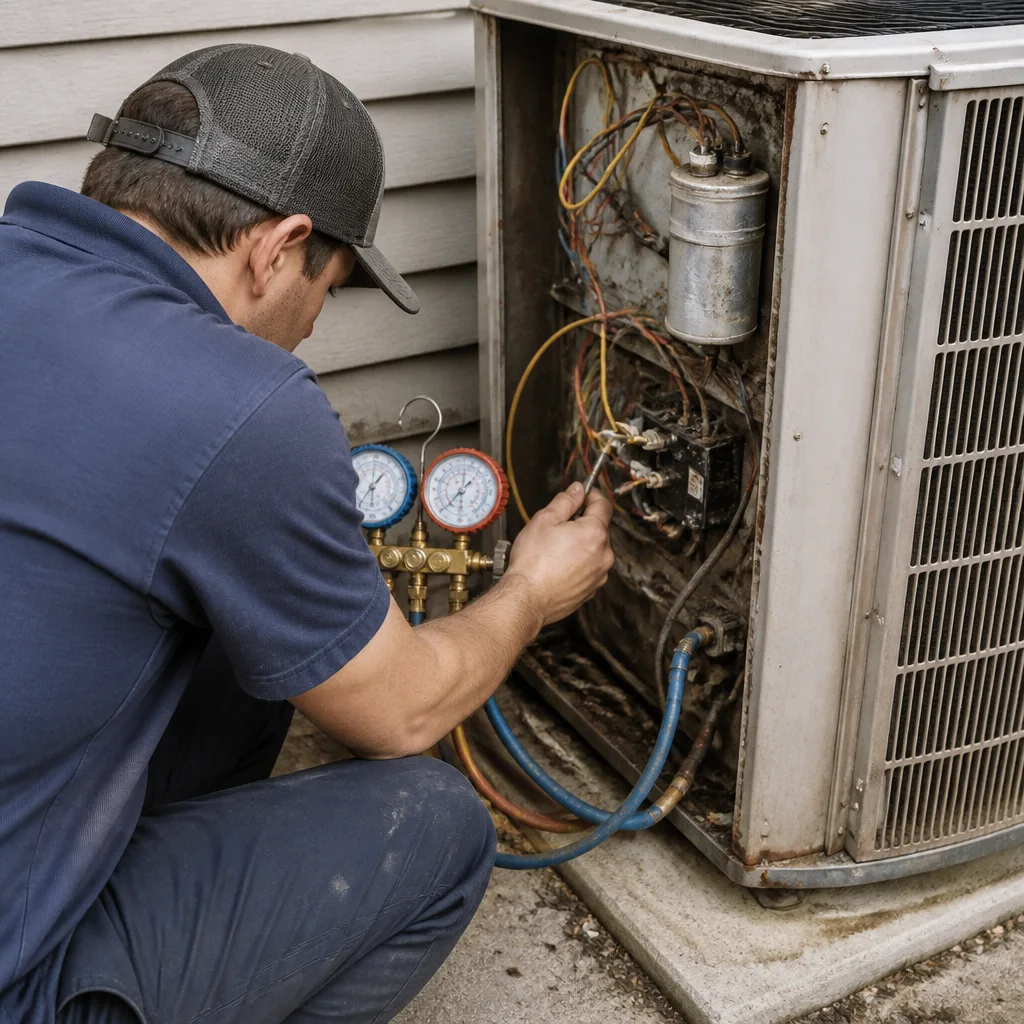 Before
 After
After Before
 After
After Before
 After
After