
Last updated October 16, 2026
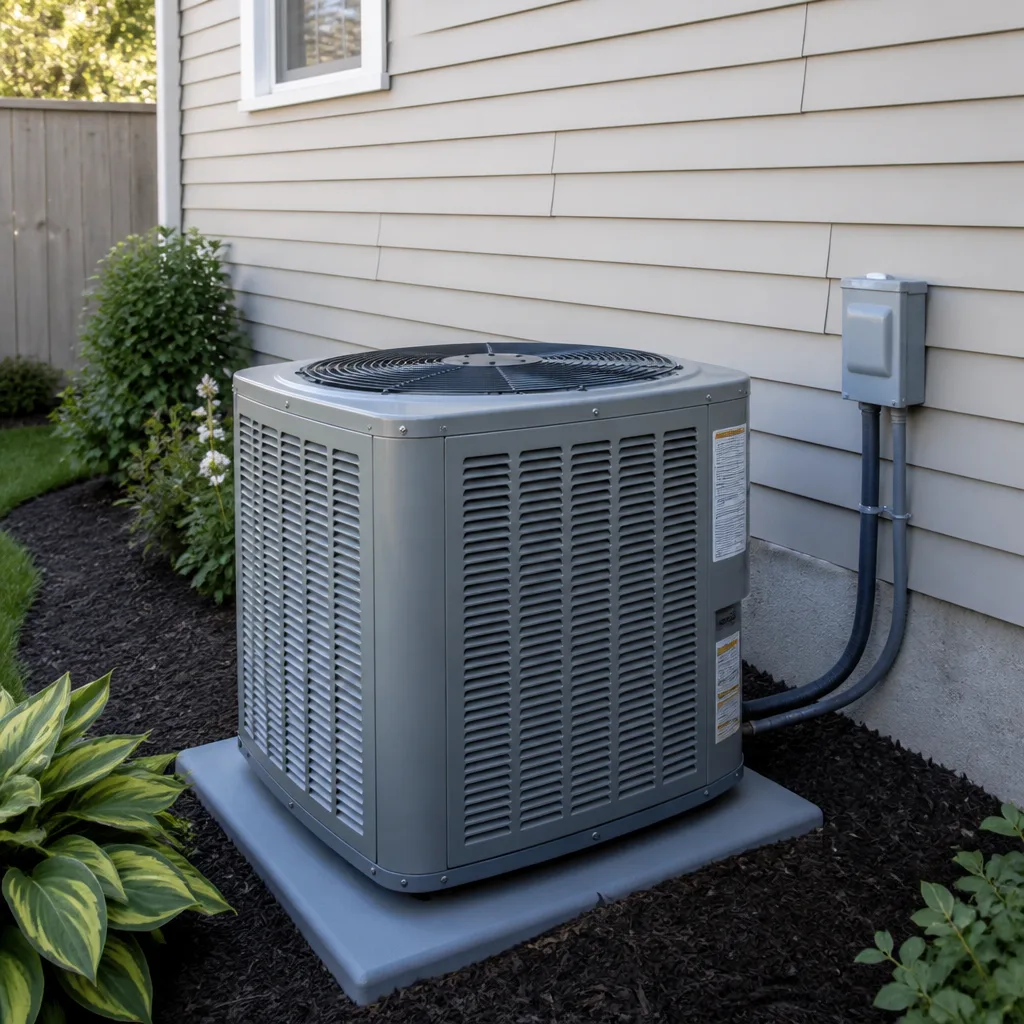 AC repair
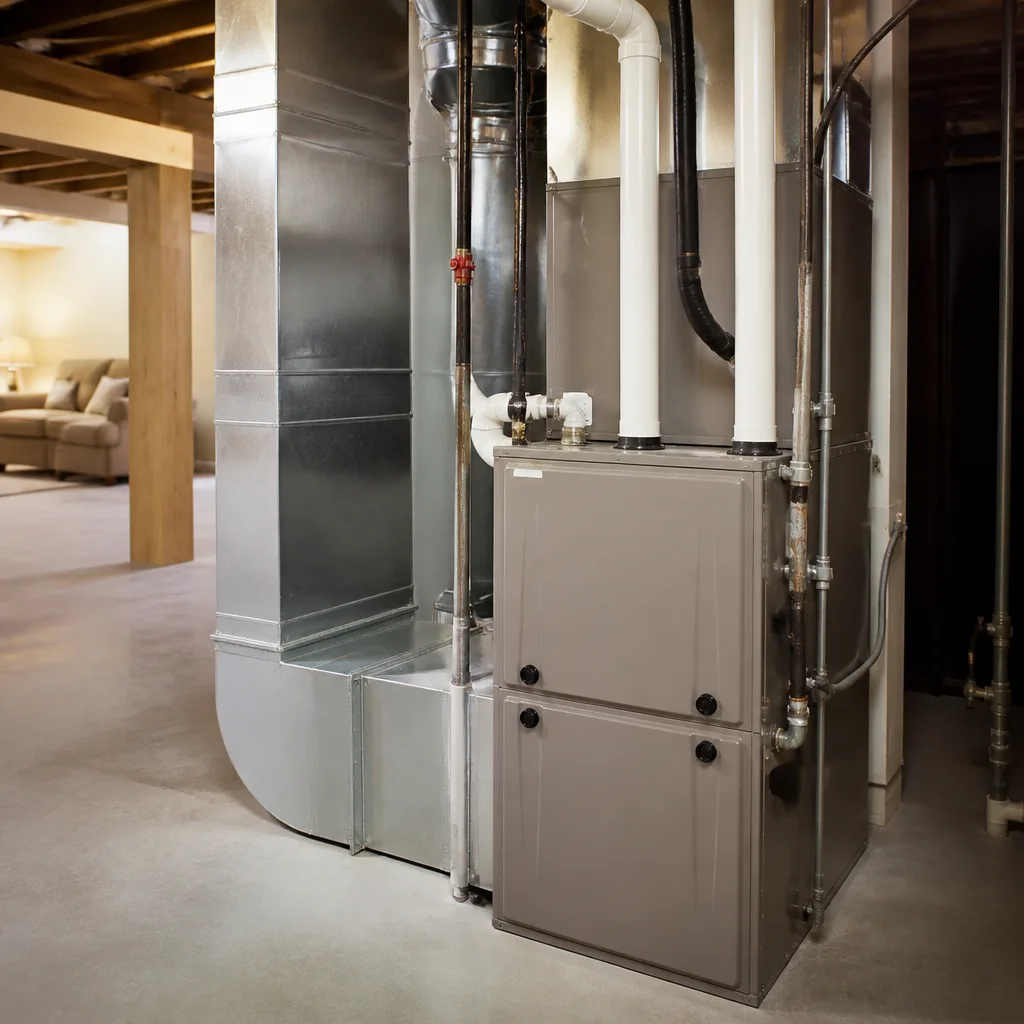 Furnace & heating
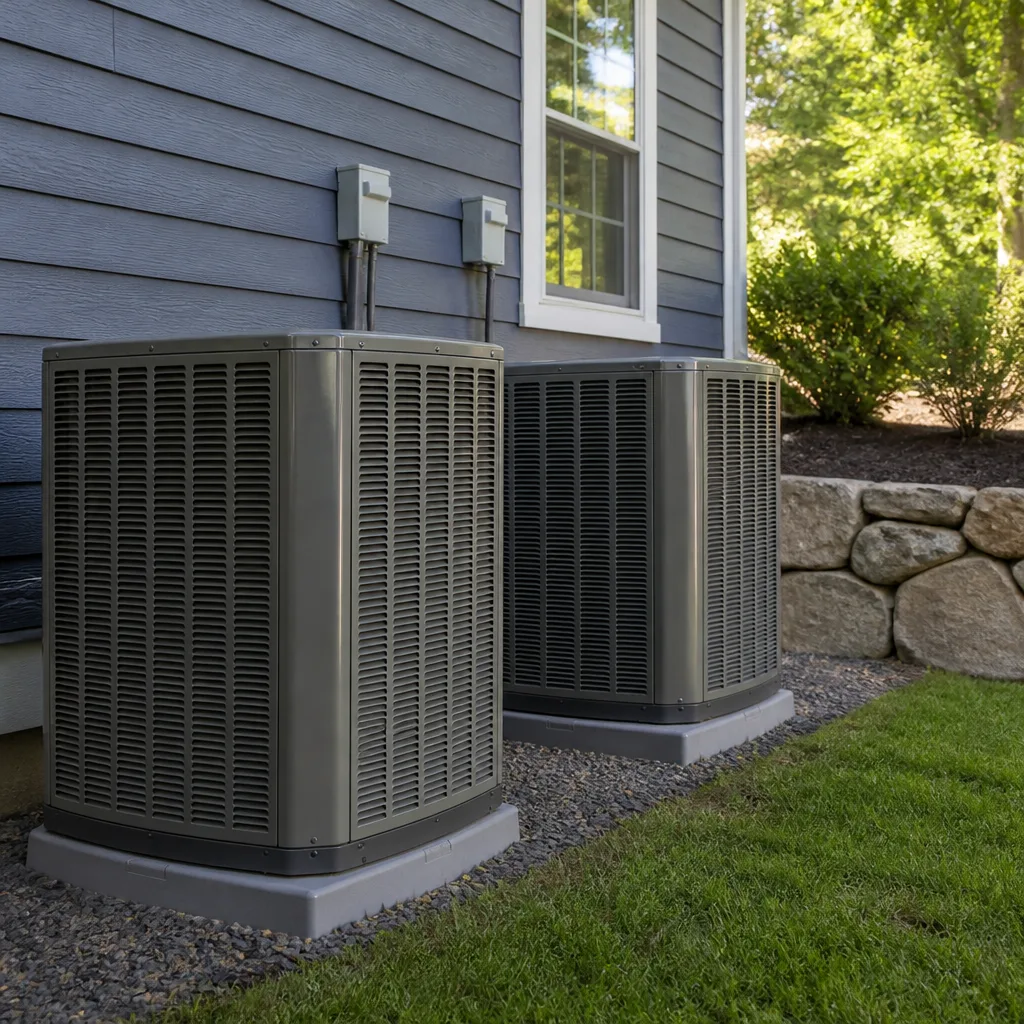 Heat pumps
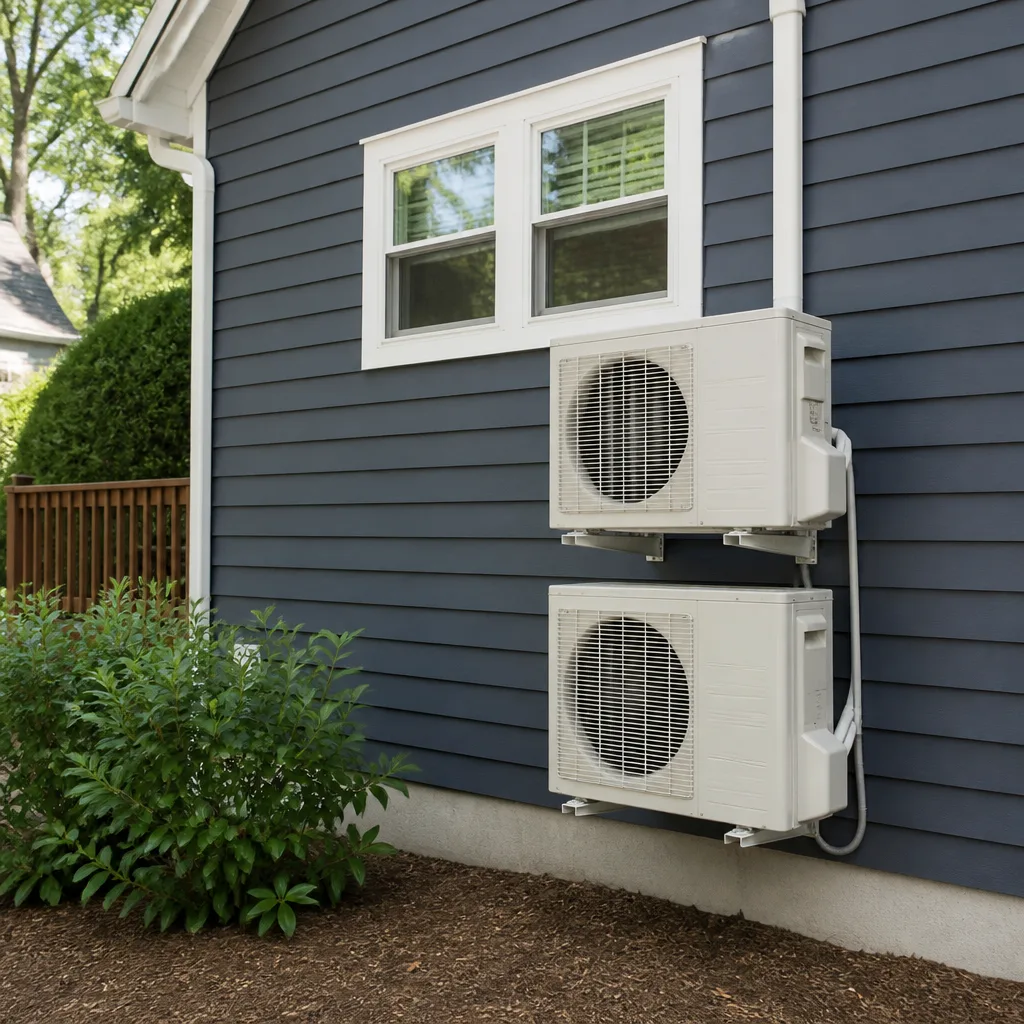 Ductless mini splits
 Carrier
 Trane
Trane Goodman
Seasonal tune-up and full diagnostic on your Carrier, Trane, or Goodman system - readings shown to you before any repair is proposed
Diagnosis first, numbers second - you approve the repair price before a single part goes in.
Get your free estimateHVAC Permits, Codes & Inspections in FL: What You Need to Know
A $12,000 HVAC replacement completed without a permit in Florida can legally become the buyer’s problem at closing, and the seller’s liability. Real estate attorneys in Orlando are seeing this come up more often as home inspectors get better at spotting unpermitted equipment swaps. This guide translates the Florida Building Code into plain terms so you know your rights, your risks, and the exact paper trail that makes an HVAC job legal before anyone touches a unit.
We are going to walk through which jobs actually require a permit, how the permit process works in Orange County and the City of Orlando, what a failed inspection really means for your payment schedule, the energy code numbers contractors must hit, and how to check whether a previous owner did the work legally. If you own a home in Orlando, this is the guide that keeps a five-figure mistake out of your closing documents, and you can find more guides & resources on our blog.
Styles & brands we work with
Quick Answer
In Florida, any HVAC work that involves replacing equipment, moving equipment, altering ductwork, or changing the electrical or refrigerant lines requires a permit, while routine maintenance like filter changes and coil cleanings does not. The permit does two things: it creates a public record that the work was inspected and compliant, and it protects your homeowner’s insurance and future resale value. Unpermitted HVAC work can void insurance claims, stall a home sale, and leave you personally responsible for bringing the system up to code.
Table of Contents
- Which HVAC Jobs Require a Permit in Florida
- Why the Permit Actually Matters: Insurance, Resale, and Liability
- How the Orange County and City of Orlando Permit Process Works
- What a Failed HVAC Inspection Means for You
- Florida Energy Code Requirements for New HVAC Installs
- How to Check If a Previous Owner’s HVAC Work Was Permitted
- Common Mistakes to Avoid
- When to Call a Professional
- Frequently Asked Questions
- The Bottom Line
Which HVAC Jobs Require a Permit in Florida
Florida follows the Florida Building Code, which is enforced at the county and city level. The rule of thumb: if the work touches the permanent structure, the electrical system, the refrigerant lines, or the ductwork, it needs a permit. If the work is cosmetic or routine maintenance on an existing system, it does not.
Here is the breakdown in plain terms, based on what we see every week in Orlando.
Work That Requires a Permit
- Full system replacement: Swapping out an entire AC unit, heat pump, or furnace, including the outdoor condenser and indoor air handler. This is the most common permitted HVAC job.
- New system installation: Putting HVAC into a home that did not previously have it, such as a garage conversion or an addition.
- Moving equipment: Relocating an outdoor condenser, indoor air handler, or furnace, even if you are reinstalling the same unit.
- Ductwork installation or major modification: Adding new duct runs, replacing substantial sections of existing ductwork, or reconfiguring how air is distributed through the home.
- Electrical service changes: Upgrading the breaker, disconnect box, or wiring that feeds the HVAC equipment.
- Refrigerant line replacement: Replacing the copper lineset that carries refrigerant between the indoor and outdoor units.
- Gas furnace installation or replacement: Any work involving gas piping, gas valves, or combustion venting requires a permit and often a separate gas inspection.
Work That Does NOT Require a Permit
- Filter replacement: Changing a standard 1-inch or 4-inch media filter.
- Coil cleaning: Cleaning the evaporator or condenser coil as routine maintenance.
- Thermostat replacement: Swapping a standard thermostat for a similar model, provided no new wiring is run.
- Capacitor or contactor replacement: Replacing common wear-and-tear electrical components within the existing unit.
- Drain line clearing: Clearing a clogged condensate drain line or replacing a short section of PVC drain piping.
- Refrigerant recharge on an existing system: Topping off the coolant your system needs to produce cold air, assuming the system is not being opened for a component replacement that itself requires a permit.
The Gray Area Jobs
Some jobs sit in the middle, and different jurisdictions in Florida interpret them differently. In Orlando and Orange County, the following are the ones we get asked about most.
- Evaporator coil replacement: Replacing just the indoor coil on an existing air handler. Some municipalities treat this as a repair and do not require a permit. Others, including some inspectors in Orange County, consider it an alteration to the refrigerant circuit and do require one. The safe approach: ask your contractor to check with the local building department before starting.
- Compressor replacement: Swapping a failed compressor inside an existing outdoor unit. Some jurisdictions see this as a component repair. Others see it as opening the sealed refrigerant system, which triggers the permit requirement.
- Adding a mini-split system: Installing a ductless mini-split in one room. This always involves new refrigerant lines, new electrical, and a new outdoor unit, so it requires a permit in virtually every Florida jurisdiction, including Orlando.
- Duct repair vs. duct replacement: Patching a small hole in an existing duct is maintenance. Replacing an entire trunk line or adding new branch runs is alteration and requires a permit.
The bottom line: when in doubt, the contractor you hire should either pull the permit or document in writing why one is not required. A legitimate contractor will never be annoyed by that question. If they wave it off or say “we don’t bother with permits on this kind of job,” that is a red flag worth walking away from, and one of the HVAC Warning Signs: A Orlando Homeowner’s Reference Guide.
If you are in the middle of a repair decision, our AC Repair in Orlando page explains what a straightforward repair should cost and how the permitting question fits into the price.
Why the Permit Actually Matters: Insurance, Resale, and Liability
The permit is not bureaucratic red tape. It is the paper trail that makes your warranty real and the work legal. Here is what it protects, in the order most homeowners care about.
Homeowner’s Insurance Claims
If your AC system causes a fire, a water leak, or a mold problem, your insurance company will investigate before paying the claim. One of the first things the adjuster does is pull the building permit history for the property. If they find an HVAC replacement was done without a permit, they can deny the claim on the grounds that the work was unverified and may not have met code. That means you eat the full cost of the damage, which in Florida can run into the tens of thousands once water intrusion and mold remediation are involved.
Home Resale and Title Issues
This is where Orlando real estate attorneys are seeing the most action. When a home is listed, the seller fills out a disclosure form that asks whether any work was done without required permits. Lying on that form is fraud. Telling the truth about unpermitted work gives the buyer leverage to demand a price reduction or a retroactive permit, which is expensive and time-consuming. And home inspectors have gotten noticeably sharper about spotting unpermitted equipment swaps. A newer outdoor unit paired with an older air handler, or equipment that does not match the permit history pulled from county records, triggers red flags immediately.
Personal Liability for Code Violations
When unpermitted HVAC work is discovered, the property owner, not the contractor who did the work, is the one the building department holds responsible. You can be ordered to bring the entire system up to current code at your own expense. If the original contractor is out of business, gone, or simply unresponsive, that bill lands on you. In a worst-case scenario, the county can place a lien on the property until the work is corrected and re-inspected.
Warranty Protection
Most manufacturer warranties from brands like Lennox, Goodman, Rheem, and York include language requiring that the equipment be installed in accordance with all applicable codes and regulations. An unpermitted install gives the manufacturer a defensible reason to deny a warranty claim. The permit and the passing inspection report are the proof that the install was done to code.
The Florida-Specific Reality
Florida has one of the most active real estate markets in the country, and Orlando consistently ranks among the top markets for both sales volume and new construction. That means a large number of homes change hands every year, and a large number of those transactions involve HVAC systems that were replaced at some point in the last 10 to 15 years. The unpermitted install problem is not theoretical in Orlando. It is showing up in closings, title searches, and insurance claims on a weekly basis.
How the Orange County and City of Orlando Permit Process Works
Both Orange County and the City of Orlando have moved their permit processes online, which is good news for homeowners who want to track what is happening. Here is how it works in practice.
Step 1: Determine Jurisdiction
Your home is either in unincorporated Orange County or within a city limit such as Orlando, Winter Park, Apopka, or Ocoee. The permitting office that applies is the one where the property is located, not where the contractor is based. You can check your jurisdiction by entering your address on the Orange County Property Appraiser website.
Step 2: The Contractor Pulls the Permit
In Florida, the permit is pulled by the licensed contractor doing the work, not by the homeowner. The contractor must hold an active state HVAC license, which is issued by the Florida Department of Business and Professional Regulation. The contractor submits the application, pays the permit fee, and is listed as the responsible party on the permit record. Homeowners can pull their own permit only if they own and occupy the home and do the work themselves, which is rare for HVAC because of the license requirements.
Step 3: Permit Review and Approval
For most straightforward residential HVAC replacements, Orange County and the City of Orlando issue the permit within 1 to 3 business days. Complex jobs, such as new construction or major duct redesigns, can take longer because the plans require a full review. The permit fee for a typical residential HVAC replacement in the Orlando area runs between $75 and $250, depending on the scope.
Step 4: The Work Is Done
Once the permit is issued, the contractor performs the installation. The permit number should be posted or available on-site, and the contractor should be able to provide it to you on request.
Step 5: Inspection Is Scheduled
After the work is complete, the contractor schedules an inspection with the building department. In Orange County and the City of Orlando, HVAC inspections are typically scheduled within 1 to 2 business days. The inspector checks the installation against the Florida Building Code and the Florida Energy Code, including electrical connections, refrigerant line installation, condensate drainage, and equipment clearances.
Step 6: Inspection Passes or Fails
If the inspection passes, the permit is closed and the work is officially on record as compliant. If it fails, the contractor must correct the issues and schedule a re-inspection. More on that in the next section.
One thing worth stating plainly, and part of any solid AC Repair Maintenance Checklist for Orlando Homeowners: the homeowner should receive a copy of the final passed inspection report. If your contractor does not offer it, ask for it. This is the document you will need if you ever sell the home or file an insurance claim. It is also the document that proves the warranty conditions were met.
For context on what a full replacement entails, from equipment selection to final inspection, our AC Installation in Orlando page walks through the entire process.
What a Failed HVAC Inspection Means for You
A failed inspection sounds scary, but it is usually a fixable problem, not a catastrophe. What matters is understanding who is responsible and how it affects the money.
The contractor is responsible for the correction. The permit was pulled by the contractor, the work was done by the contractor, and the inspection is a check on the contractor’s work. If the inspector flags a problem, the contractor must fix it and schedule a re-inspection. You should not pay extra for re-inspection fees or corrections that are required because the contractor’s original work did not pass.
The payment schedule should protect you. Many contractors ask for payment in full at the completion of the install. But if the inspection has not happened yet, you are paying for work that has not been verified. A reasonable approach is to hold back a small percentage, often 10 percent, until the inspection passes and the permit is closed. Not every contractor will agree to this, but the ones with nothing to hide will not flinch.
Common Reasons an HVAC Inspection Fails in Orlando
- Incorrect electrical disconnect placement: The outdoor disconnect must be within sight of the unit and at the correct height. This is one of the most frequent failures we hear about from Orange County inspectors.
- Missing or inadequate condensate drainage: Florida’s humidity means condensate drain lines must be properly sloped, sized, and terminated. Inspectors pay close attention to this because a poorly done drain line causes water damage.
- Equipment clearance violations: The outdoor condenser needs minimum clearances from walls, fences, and other obstructions. Tight Orlando backyards and side yards often result in clearance issues.
- Duct leakage above the allowed threshold: Under the Florida Energy Code, new ductwork must be tested for leakage, and the result must fall below the code maximum. If the test result comes in too high, the contractor must seal the ducts and retest.
- Missing documentation: The contractor may not have the required load calculation, the equipment’s AHRI certification, or the manufacturer’s installation instructions on site. These documents must be available for the inspector.
The re-inspection itself is usually straightforward. The contractor corrects the issue, the inspector comes back, and the permit is closed. In Orange County, re-inspection fees are often waived if the initial failure was minor and the correction is completed quickly.
If a contractor tells you the inspection failed and asks you to pay extra for the re-inspection, stop and ask questions. The original permit fee typically includes one inspection and one re-inspection. Additional charges after that may be legitimate, but the first re-inspection is generally covered.
Florida Energy Code Requirements for New HVAC Installs
Florida’s energy code is stricter than most homeowners realize, and it is a major part of why HVAC permits exist. The code sets minimum efficiency standards, duct leakage limits, and installation requirements that every new system must meet. Here is what your contractor has to get right.
Minimum SEER2 Ratings
As of January 1, 2023, the Department of Energy switched the efficiency metric from SEER to SEER2, which is a more accurate measurement of real-world performance. In Florida, which is in the DOE’s Southern region, the minimum efficiency for new residential air conditioners and heat pumps is:
- Split system air conditioners: 14.3 SEER2 minimum
- Split system heat pumps: 14.3 SEER2 minimum
- Packaged air conditioners and heat pumps: 13.4 SEER2 minimum
These are the floors, not the ceilings. Many Orlando homeowners choose equipment well above the minimum, in the 16 to 20 SEER2 range, because the Florida climate puts cooling systems under heavy load for 8 to 10 months of the year, as covered in our Seasonal HVAC Care for Orlando: Year-Round Homeowner’s Guide. Higher efficiency equipment from brands like Lennox, Goodman, Rheem, and York costs more up front but lowers the monthly electric bill, which in Orlando runs higher than the national average during the summer.
Duct Leakage Testing
If the project involves new or substantially modified ductwork, the Florida Energy Code requires a duct leakage test. The test measures how much conditioned air escapes from the duct system before it reaches the rooms. The code maximum for new duct systems is 4 CFM per 100 square feet of conditioned floor area at 25 pascals of pressure. In plain terms: the ducts must be tight. A well-sealed duct system in an Orlando home typically loses less than 5 percent of the conditioned air, which directly translates to lower cooling bills and better comfort in the hotter upstairs rooms.
Proper Equipment Sizing
The Florida Energy Code requires that new HVAC equipment be sized using a load calculation following Manual J, which is the industry standard method. A contractor cannot simply install the same tonnage that was there before and call it a day. The load calculation accounts for the home’s square footage, window orientation, insulation levels, ceiling height, and Orlando’s specific climate data. An oversized unit is a common code violation and a common source of comfort problems: it cools quickly, does not dehumidify properly, and short-cycles, which shortens the equipment’s life.
Refrigerant Requirements
The regulatory landscape for refrigerant is shifting. Starting January 1, 2025, new residential HVAC systems sold in the United States must use refrigerants with lower global warming potential, primarily R-454B or R-32, replacing the long-standard R-410A. Contractors in Orlando are already installing R-454B systems, and the city’s inspectors are checking refrigerant type during inspections. If you are considering a replacement, ask the contractor which refrigerant the proposed system uses and whether that affects the install procedure.
These code requirements are not optional add-ons. They are the minimum legal standard for any HVAC install in Orlando, and the inspection is the proof that the standard was met. If a contractor quotes you a price that seems too good to be true, it often means the job does not include the required duct test, the load calculation, or the proper refrigerant work.
How to Check If a Previous Owner’s HVAC Work Was Permitted
This section matters whether you are buying a home, selling one, or just wondering about the system in the house you already own. Checking permit history is free, fast, and worth the 15 minutes.
Step 1: Look at the Equipment
Find the serial number on the outdoor condenser. Most manufacturers encode the year of manufacture in the serial number. If the equipment was manufactured in, say, 2019, and the home’s permit history shows no HVAC permit around that time, the equipment may have been installed without one. Keep in mind that equipment can sit in a warehouse for a year or two before installation, but a 3-plus year gap between manufacture date and permit date is a yellow flag.
Step 2: Pull the Permit History
For the City of Orlando, start with the city’s online permit search portal. You can search by address and see every permit ever pulled for that property. For unincorporated Orange County, use the county’s Fast Track Online Services portal. Both are free to search. Look for permits categorized as “mechanical,” “HVAC,” or “air conditioning.” A full system replacement should be in there with the date the permit was issued and the date it was closed.
Step 3: Compare the Equipment to the Permit
If the permit history shows an HVAC permit that was pulled and closed, that is a clean record. If the equipment is newer than the most recent HVAC permit, the equipment was likely installed without one. If the equipment is older than the most recent permit, the permit may have been for work that was never completed, or the equipment may have been replaced again since.
Step 4: What to Do If You Find Unpermitted Work
If you are buying a home and the inspection reveals unpermitted HVAC work, you have several options. You can ask the seller to pull a retroactive permit and have the work inspected before closing. You can ask for a price reduction to cover the cost of bringing the system into compliance. Or you can accept the risk and move forward, understanding that the unpermitted work becomes your problem after closing.
If you are selling a home and know the HVAC was replaced without a permit, disclose it. The Florida seller’s disclosure form asks about unpermitted work. Getting caught hiding it is far more expensive than telling the truth up front. In many cases, a retroactive permit and inspection can be completed for a few hundred dollars, which is a small price to clean up the record before listing.
If you already own the home and discover unpermitted work, consult an HVAC contractor and the local building department. In some cases, the work can be retroactively permitted if it meets current code. In other cases, corrections are required before the permit can be closed.
For homeowners dealing with furnace questions, the permitting rules for gas work add another layer. Our Furnace Repair in Orlando page covers the gas-specific requirements that apply in the Orlando area.
Common Mistakes to Avoid
- Paying in full before the inspection passes. When you hand over the full payment at the end of the install day, you lose your leverage if the inspection fails and the contractor drags their feet on corrections. Hold back a portion until the permit is closed.
- Hiring an unlicensed contractor to save money. An unlicensed contractor cannot legally pull a permit in Florida. That means the work is unpermitted by definition, and you carry all the liability. The savings are not worth the insurance and resale risk.
- Assuming the contractor pulled the permit without verifying. Some contractors say they will pull the permit and then never do it. Ask for the permit number before the work starts. If they cannot produce one, stop the job.
- Confusing the permit with the license. A contractor’s state license allows them to do the work. The permit is the local government’s approval for the specific job at your specific address. You need both.
- Replacing equipment with the wrong size. An oversized or undersized unit is a comfort problem and a code problem. The load calculation is required by the energy code, not just a nice-to-have.
- Ignoring the permit history when buying a home. Most buyers focus on the home inspection and forget to pull the permit record. A clean home inspection does not mean the HVAC work was permitted. Check both.
- Treating the roof deck or attic work as “just a changeout.” In Florida, attic installs present specific code requirements for platform support, access, and clearance. A contractor who has done this work in Orlando knows the local inspector’s expectations. One who is guessing will fail the inspection.
When to Call a Professional
You should call a licensed HVAC contractor whenever the work involves equipment replacement, electrical connections, refrigerant handling, or duct modification. These are not DIY jobs, and in Florida they are not legal DIY jobs. A licensed contractor knows which permits are required, pulls them correctly, and stands behind the work through the inspection process.
You should also call a professional if you have discovered unpermitted work from a previous owner and need to understand your options before listing or selling. A contractor who works regularly in Orlando can pull the permit history, assess the current condition of the system, and tell you what it will take to bring it into compliance.
Halden Heating and Air Orlando offers free estimates in Orlando, and every job includes a written price before any work starts plus a written guarantee on every repair. Call (850) 695-3178 for a free estimate, a permit check, or a straightforward answer about whether your project needs a permit. You can book online, get a live arrival time, and track your tech to the door.
Frequently Asked Questions
No, a full AC replacement in Florida requires a permit. The permit is pulled by the licensed contractor, and the work must pass a county or city inspection before the permit is closed. Replacing a unit without a permit risks insurance claim denials and resale problems. Call (850) 695-3178 for an exact quote on a permitted replacement in Orlando.
A residential HVAC permit in Orlando and Orange County typically costs between $75 and $250, depending on the scope of work. The permit fee is usually included in the contractor’s quote. Some contractors itemize it separately. If the quote seems to omit the permit entirely, ask whether it is included.
A retroactive permit is a permit pulled after the work has already been done, usually to correct an unpermitted installation. The work may need to be brought up to current code before the retroactive permit can be approved and inspected. Retroactive permits are common when a homeowner discovers unpermitted work during a sale or refinance.
Most straightforward residential HVAC permits in Orange County and the City of Orlando are issued within 1 to 3 business days. The inspection is typically scheduled within 1 to 2 business days after the work is complete. The entire process, from application to closed permit, usually takes one to two weeks.
The contractor who pulled the permit is responsible for correcting the issues and scheduling a re-inspection. You should not pay extra for corrections or the first re-inspection fee. Your payment terms should hold back some portion until the inspection passes and the permit is closed.
No. If unpermitted HVAC work causes damage, such as a fire or water leak, the insurance company can deny the claim on the grounds that the work was never verified by inspection. A permitted installation protects you because the inspection report proves the work met code.
For more on specific repair costs, timelines, and what to expect, see our Halden Heating and Air Orlando home page.
The Bottom Line
Florida’s HVAC permitting rules are specific and enforced. A full system replacement, equipment move, duct modification, or gas furnace job requires a permit, and that permit is the document that protects your insurance, your warranty, and your resale value. The process in Orlando and Orange County is online, reasonably fast, and straightforward when you work with a contractor who does it every week. The risk of skipping the permit is not a theoretical fine; it is a denied insurance claim, a stalled closing, or a five-figure correction order. Ask for the permit number before the work starts, hold back payment until the inspection passes, and keep the final inspection report in your home file.
Written by Andre Fuller, Owner at Halden Heating and Air Orlando, serving Orlando since 2004.
See the difference
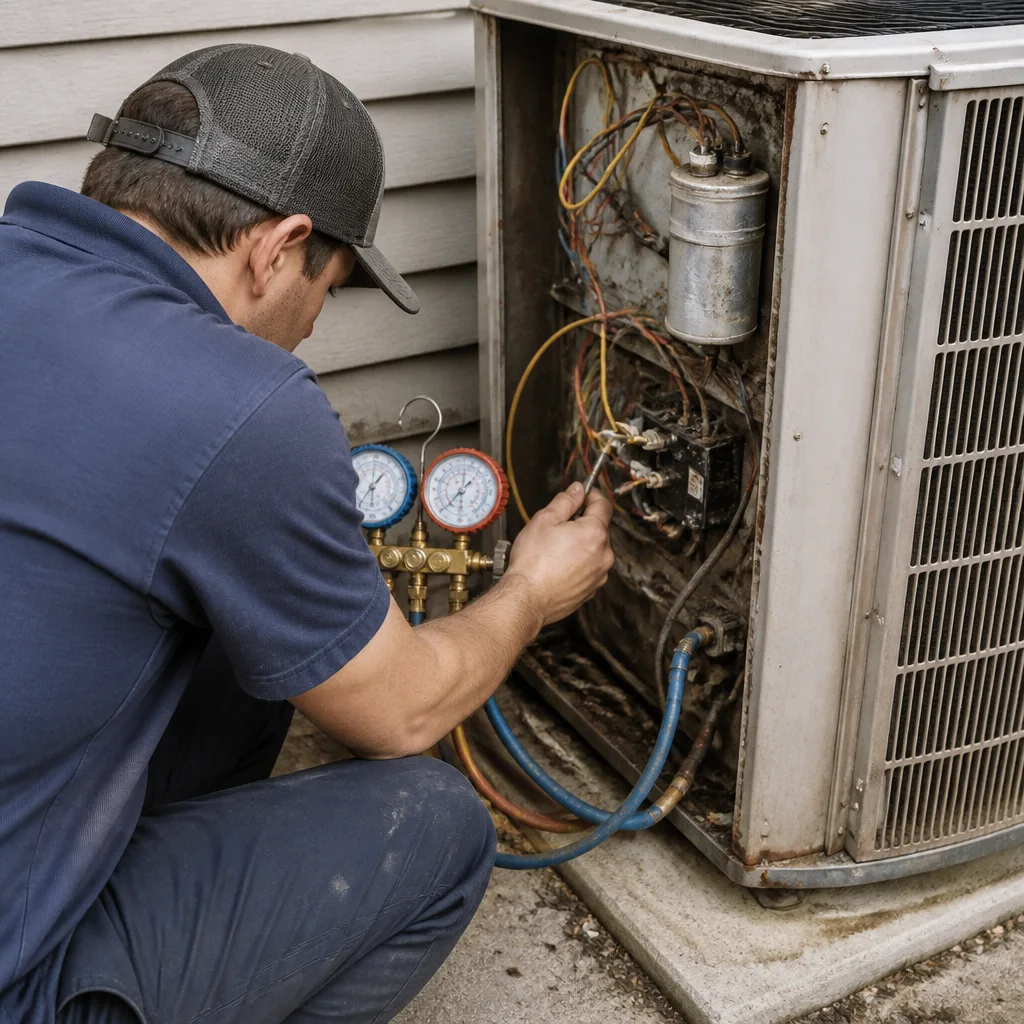 Before
 After
After Before
 After
After Before
 After
After