
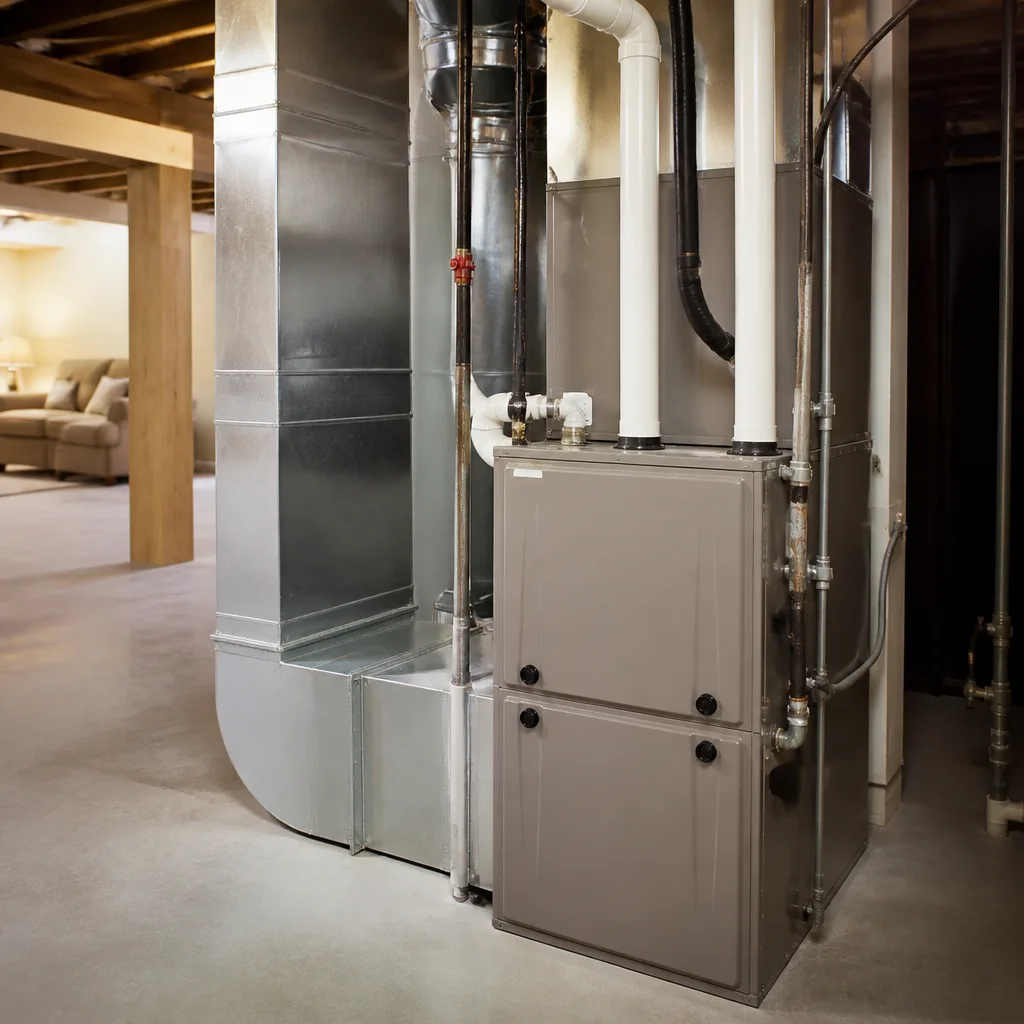
 Furnace & heating
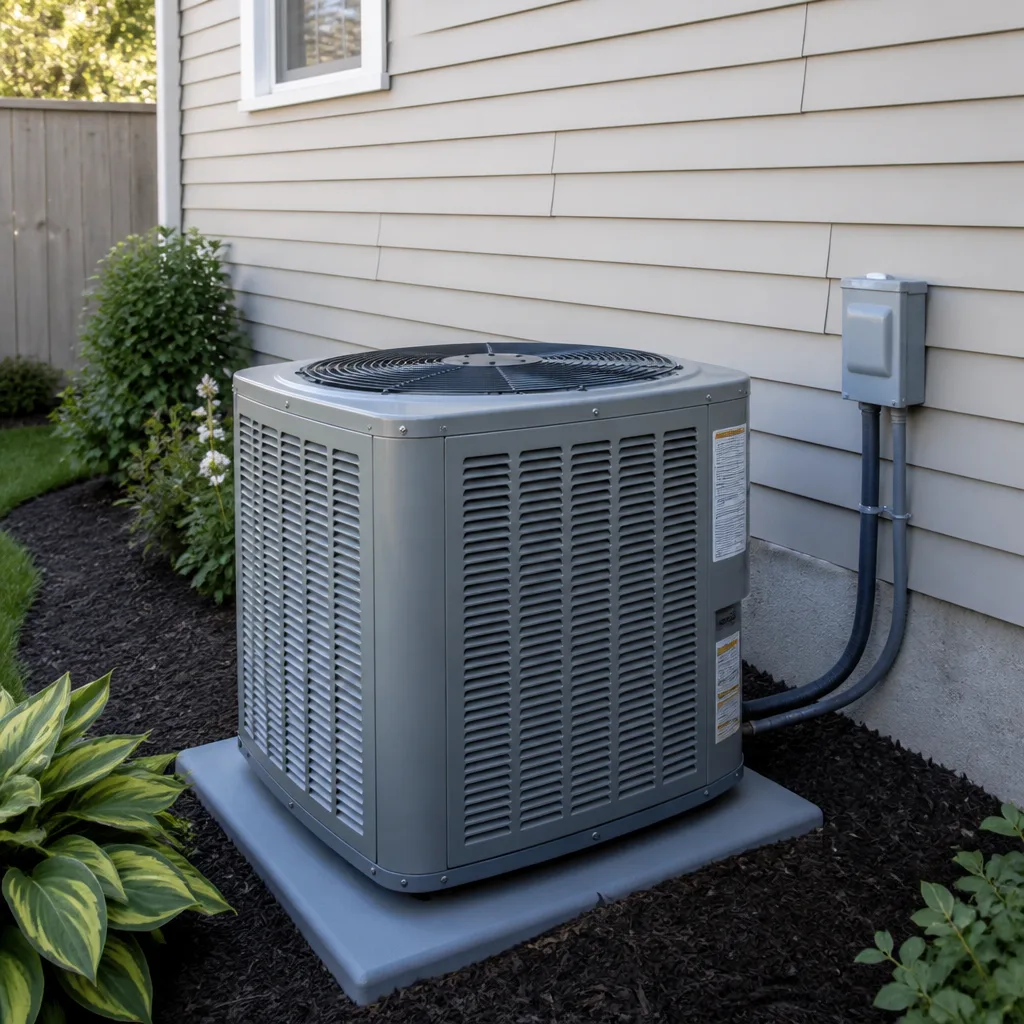 AC repair
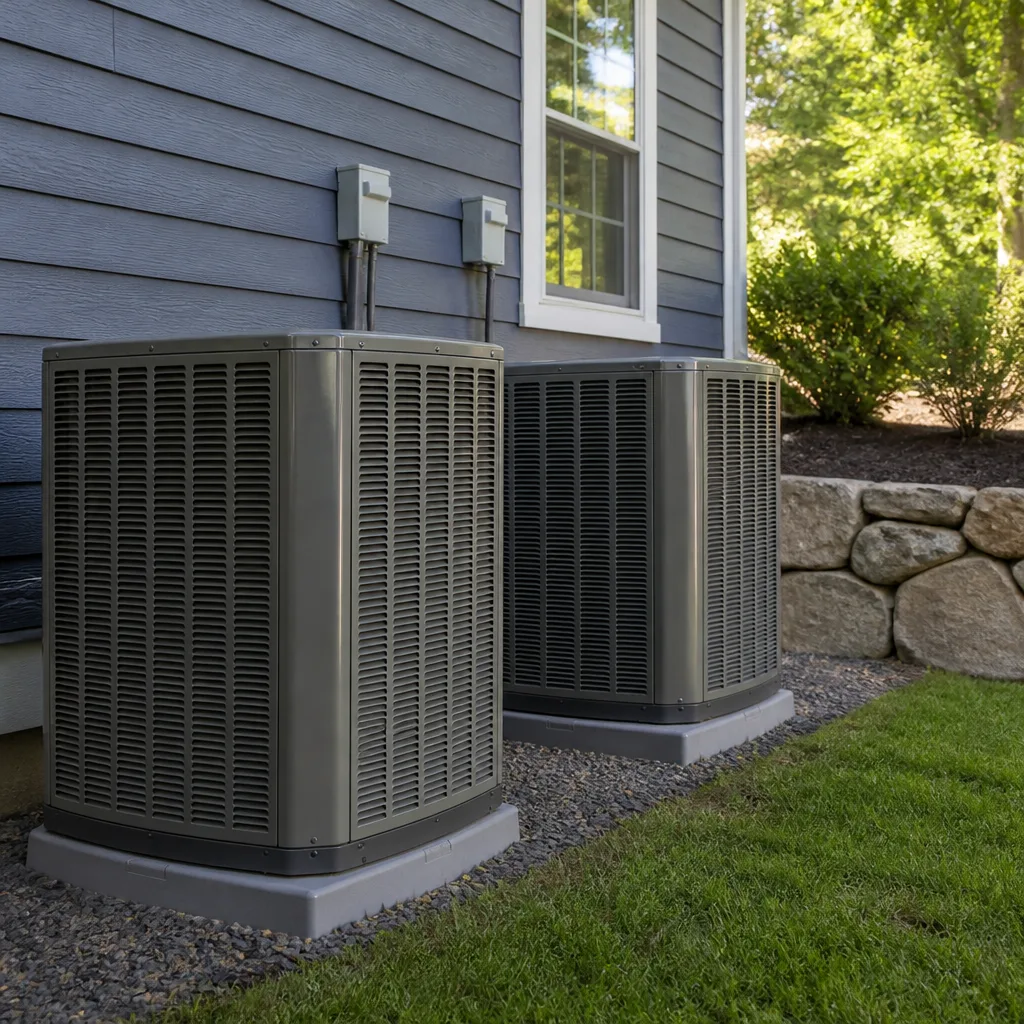 Heat pumps
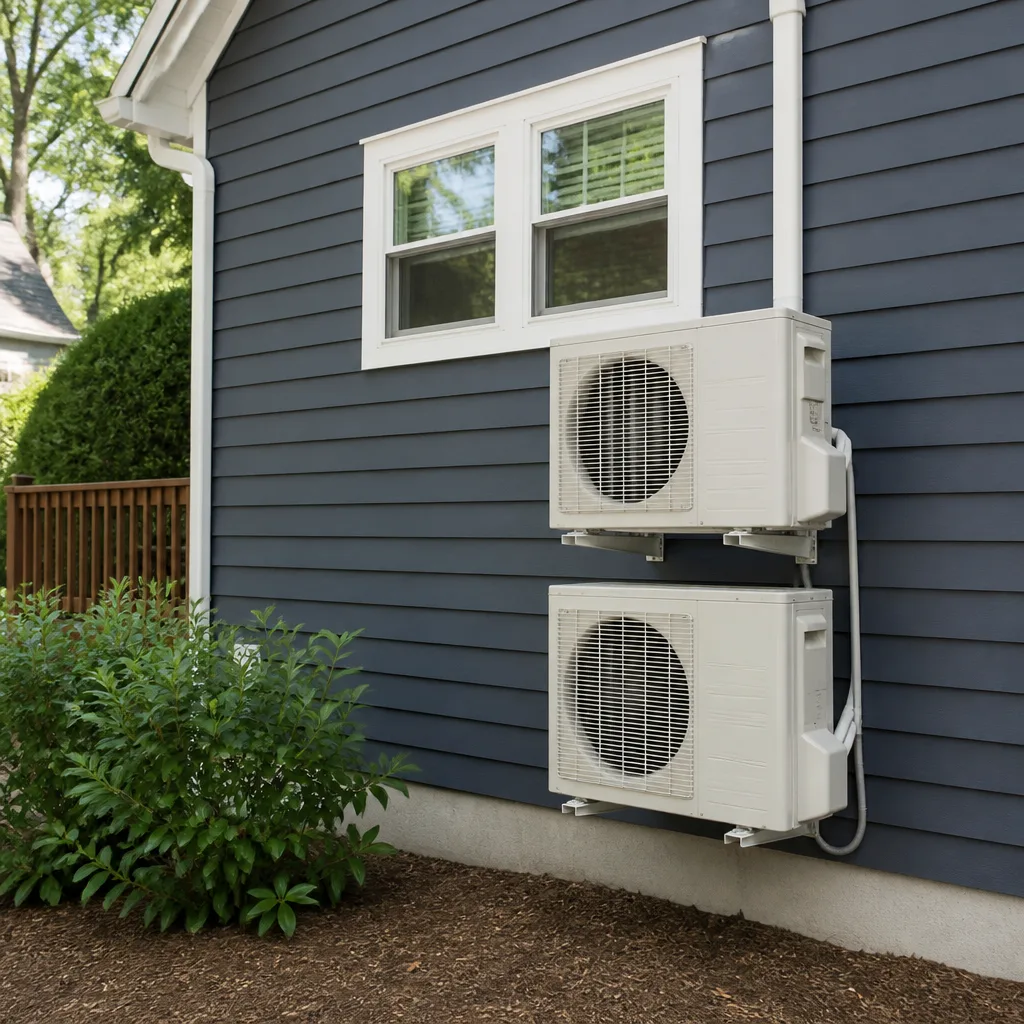 Ductless mini splits
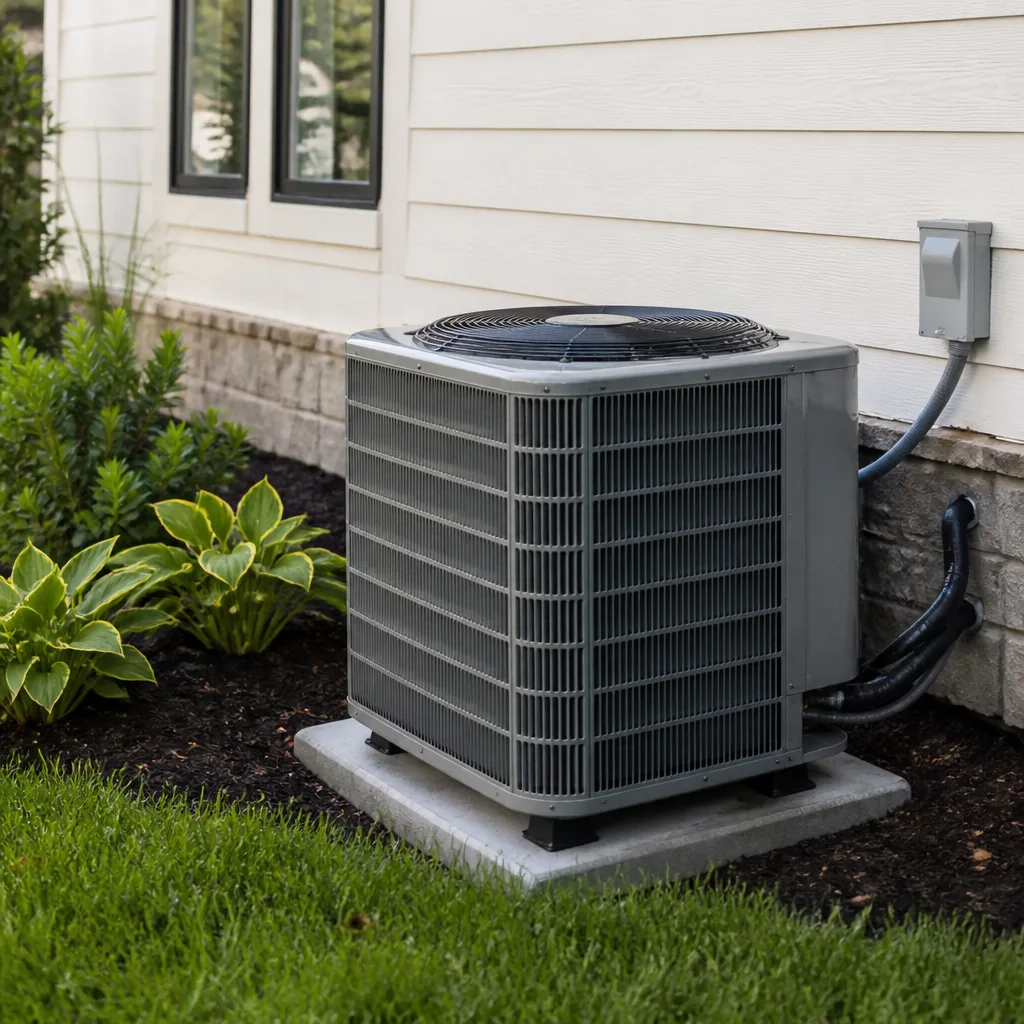 Carrier
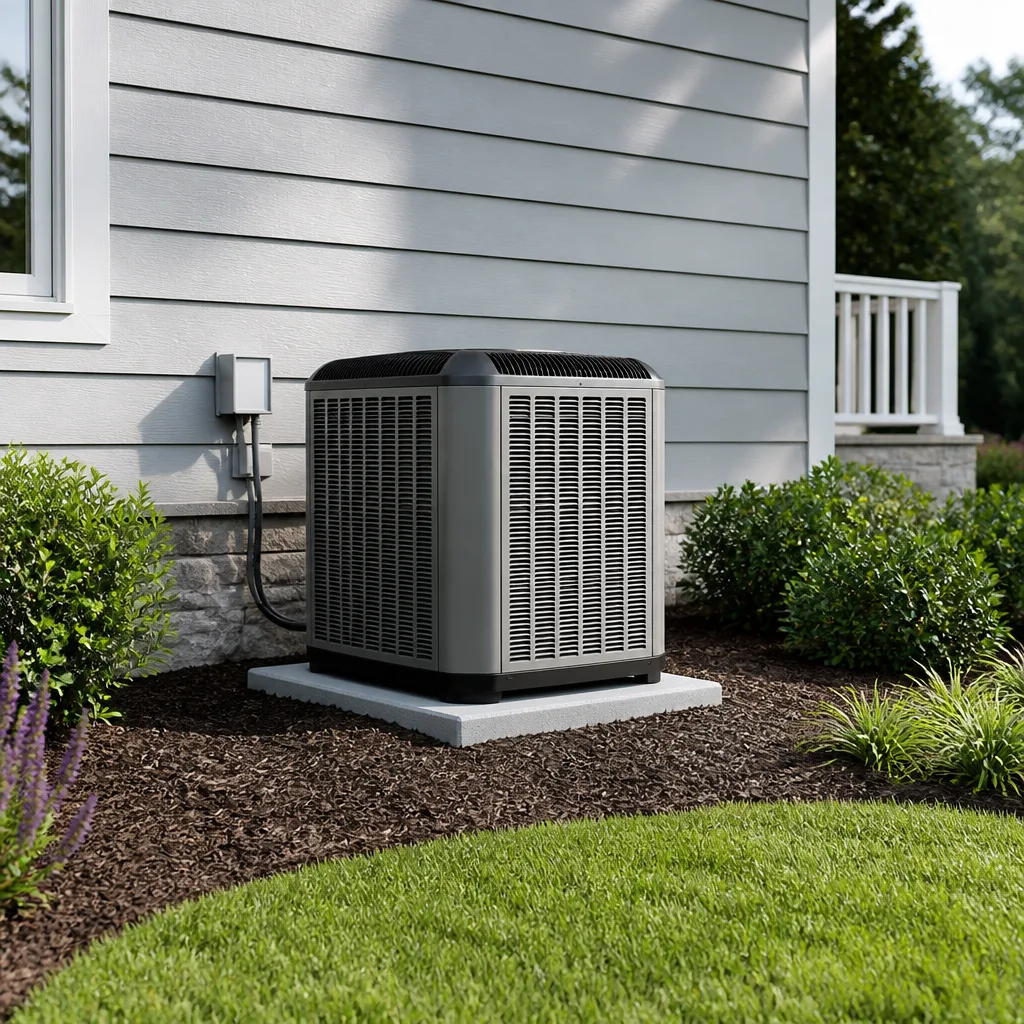 Trane
Trane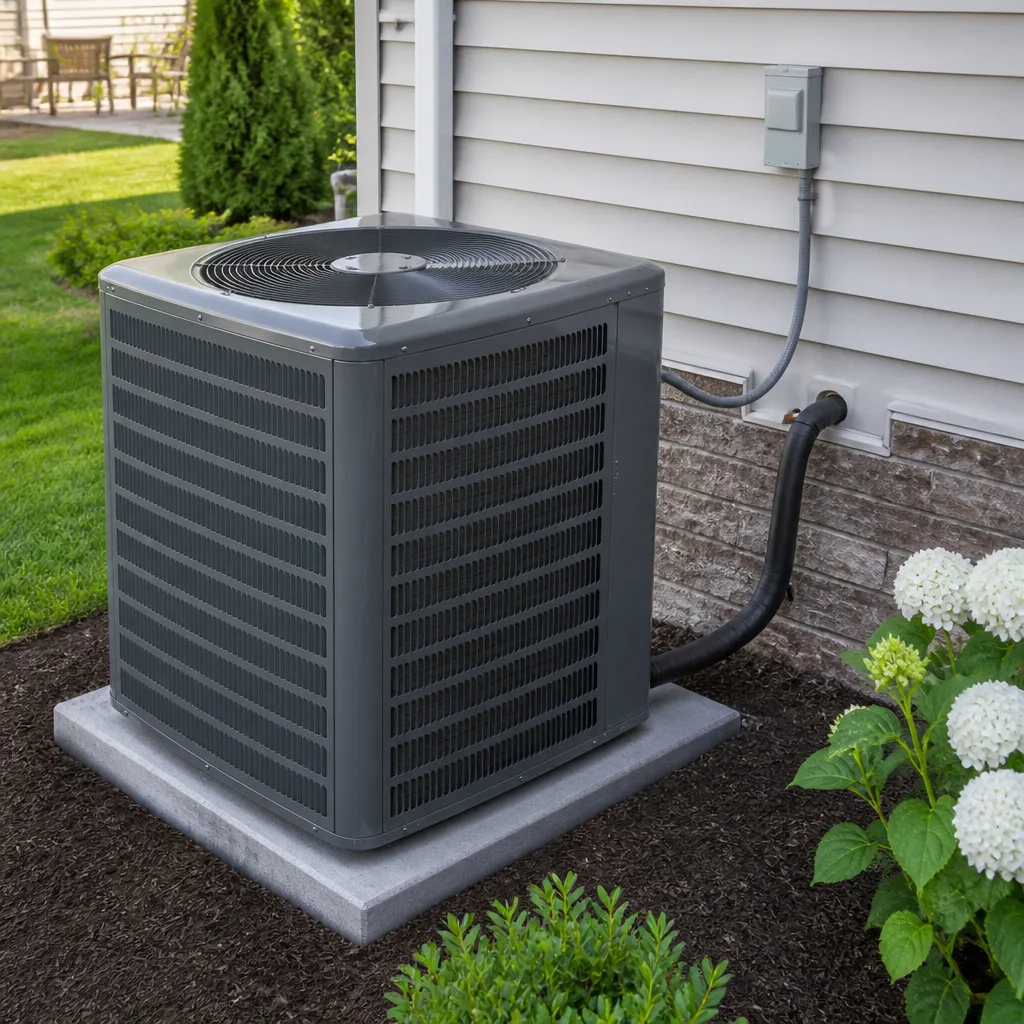 Goodman
Seasonal tune-up and full diagnostic on your Carrier, Trane, or Goodman system - readings shown to you before any repair is proposed
Diagnosis first, numbers second - you approve the repair price before a single part goes in.
Get your free estimateAmerican Standard Capacitor Replacement: The Orlando Owner’s Guide
A failed capacitor is the single most common reason an American Standard AC won’t start, hums without spinning, or trips its breaker on the first hot afternoon of spring. We stock capacitors compatible with American Standard condensers and air handlers on our trucks throughout Orlando, and most replacements run between $150 and $350 installed, with same-day service available. You’ll usually discover the problem as a clicking sound from the outside unit followed by nothing, or the system running but blowing warm air because the compressor can’t kick on.
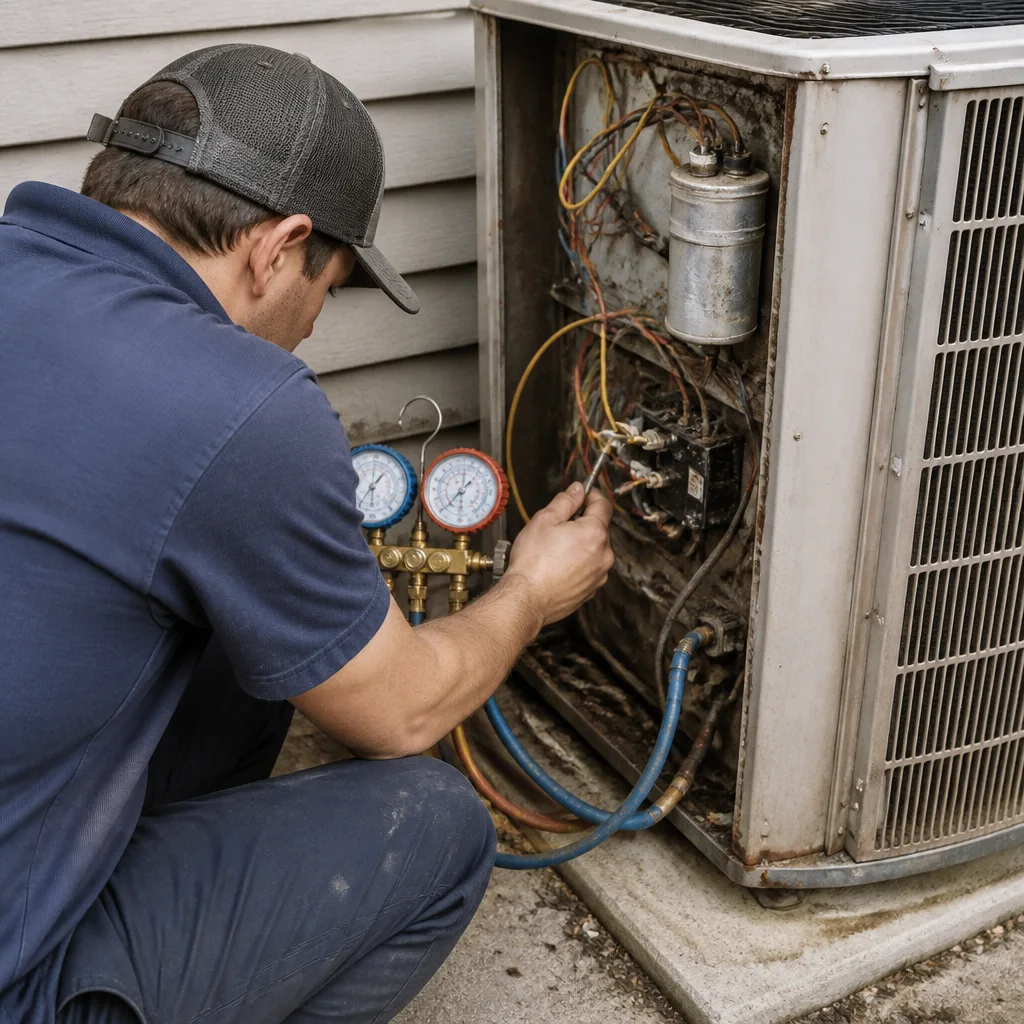
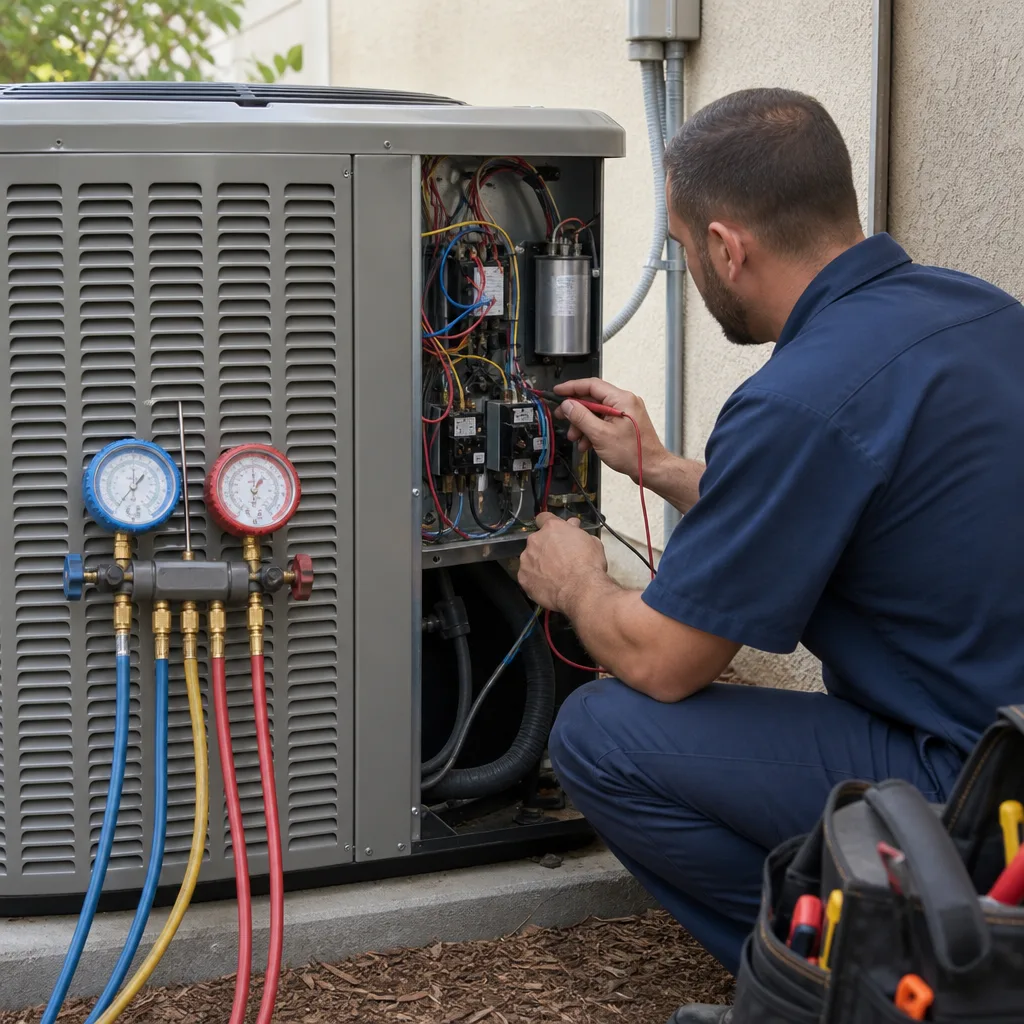
Capacitors are the small cylinder-shaped parts inside your condenser that give the compressor and fan motor the electrical jolt they need to start and keep running. In Orlando’s heat and daily afternoon lightning, they fail faster than almost any other component. The good news: it’s a quick diagnostic and a straightforward swap, and we give you the written price before we unbolt the access panel.
Which American Standard Models This Applies To
American Standard uses round and oval run capacitors across its Silver, Gold, and Platinum series condensers and air handlers. The most common units we replace capacitors on in Orlando are the Silver 14, Gold 17, and Platinum 20 outdoor condensers, along with the variable-speed air handlers paired with them, but the part appears in virtually every split system American Standard has sold in Florida since the early 2000s.
Here’s the compatibility gotcha most homeowners miss: American Standard, like Trane (they share the same parent company), often uses dual-run capacitors that serve both the compressor and the outdoor fan motor from one cylinder. A single capacitor with two listed microfarad (µF) ratings, for example 45/5 µF, is a dual-run. If you replace it with a single-run capacitor, you’ll fix one motor and leave the other dead. The µF rating is stamped on the side of the existing capacitor, and it has to match within 6% of the original spec, or the motor runs hot and fails early. In Orlando, where run time is high from March through October, using the wrong tolerance capacitor shows up as a second failure within a year or two.
You’ll also see a voltage rating, usually 370 or 440 volts. The 440-volt version is the better part for Florida’s power surges during thunderstorm season, and it costs a few dollars more. We default to 440-volt American Standard-compatible replacements for that reason.
On OEM versus aftermarket: American Standard-branded capacitors are manufactured by suppliers like GE/Genteq and AmRad and then labeled for American Standard. Quality aftermarket capacitors from the same manufacturers carry identical specs at a lower markup. We stock both and we’ll tell you the price difference before we start, no games.
Styles & brands we work with
Signs Your American Standard Capacitor Replacement Is Failing
- The outside unit hums but the fan doesn’t spin. The capacitor has lost the ability to start the fan motor. The hum is the motor drawing power and sitting still, which builds heat fast. Kill the system at the thermostat if you hear this.
- The compressor clicks on and off without ever running a full cycle. The compressor is trying to start, failing, and resetting on its thermal overload. This short-cycling is the classic Orlando summer failure, and every harsh start is slowly damaging the compressor itself.
- The fan starts only if you spin it by hand with a stick. That means the start portion of the capacitor is dead and the motor can’t generate enough torque on its own. It also means the capacitor was already weak weeks ago.
- The breaker trips when the AC kicks on. A capacitor that has drifted way out of spec forces the compressor to draw more current than the circuit allows. Breakers trip to protect the wiring, not the AC, so a tripped breaker is a symptom, not the problem.
- The top of the capacitor is domed, or you see oily residue around it. The capacitor is physically swollen or leaking dielectric fluid. This one is visible the moment the access panel comes off, and it’s an immediate replacement, not a wait-and-see.
Replacement Cost & What’s Included
In Orlando, an American Standard capacitor replacement runs $150 to $350 installed depending on whether it’s a single-run or dual-run capacitor, the µF/voltage spec, and whether it’s an OEM American Standard-labeled part or a quality aftermarket equivalent. Most dual-run replacements for American Standard condensers land between $200 and $300 out the door.
That price includes the diagnostic time to confirm the capacitor is actually the failure (and not a dead compressor motor hiding behind a failed capacitor), the part itself, installation, system start-up testing, and a written guarantee on the repair. We also check the contactor and wiring while the panel is open, because a worn contactor often takes the capacitor down with it. Price is written before work starts, every time, no exceptions. If the repair fails within the guarantee window, we come back at no charge, automatically.
For context on how this fits into broader AC work in the Orlando market: most American Standard AC repairs run between $150 and $650 depending on the part, and a full system replacement typically runs $3,500 to $7,500. The capacitor is on the low-cost end of the repair spectrum, which is another reason to replace it early rather than let it take out the compressor.
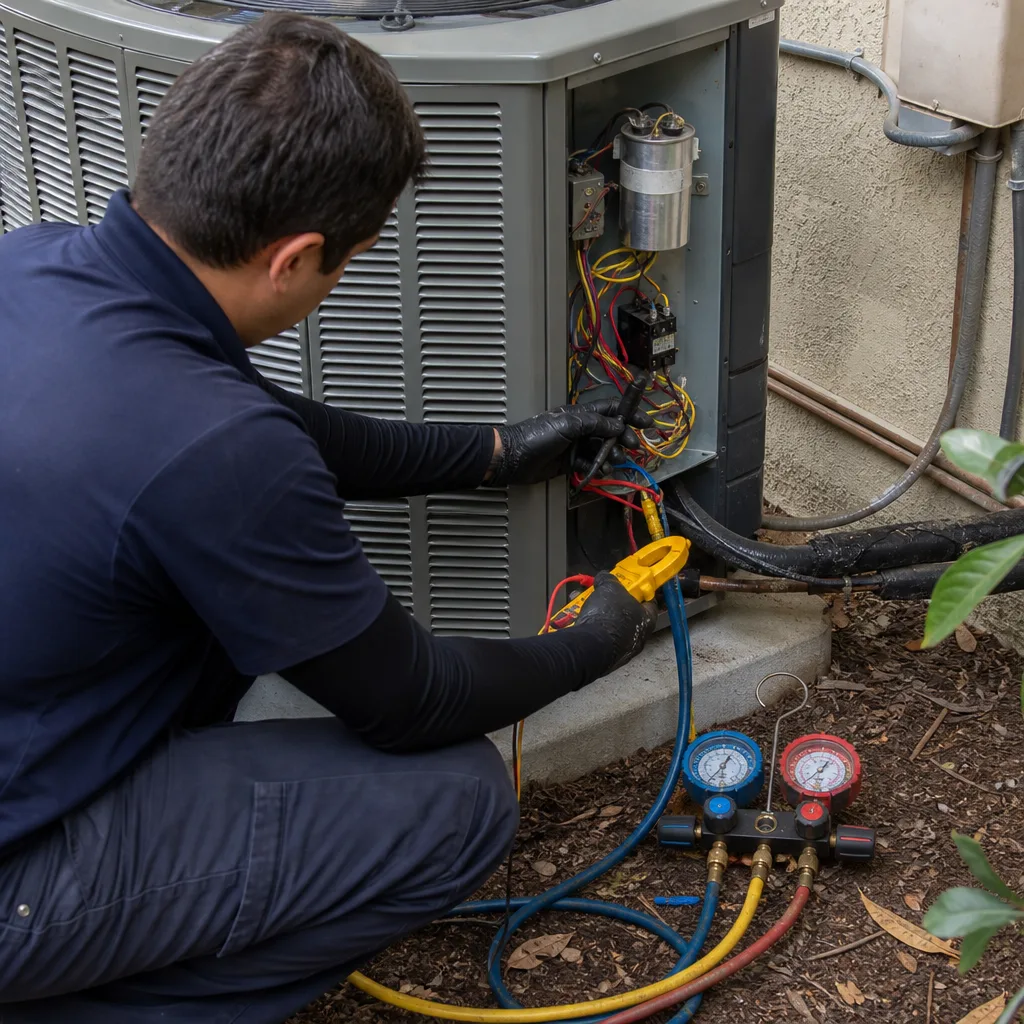
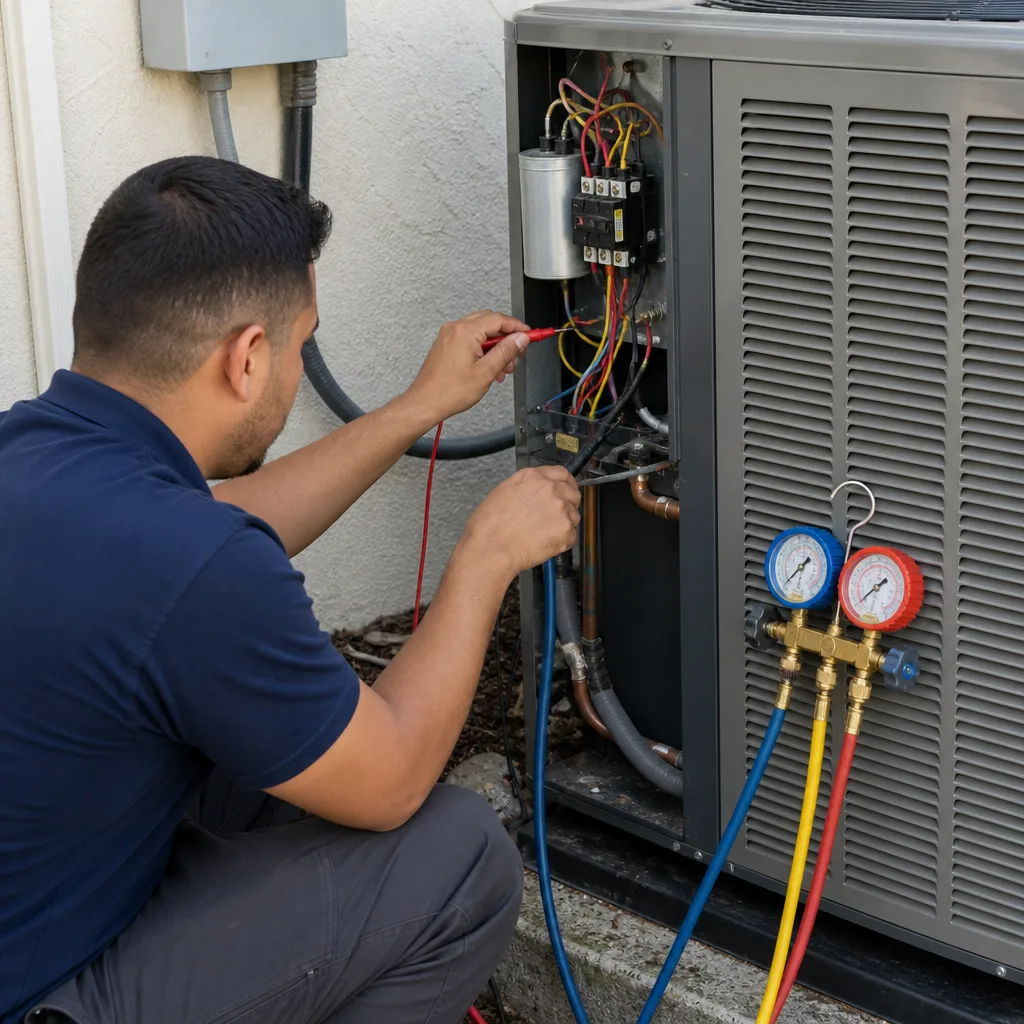
See the difference
 Before
 After
After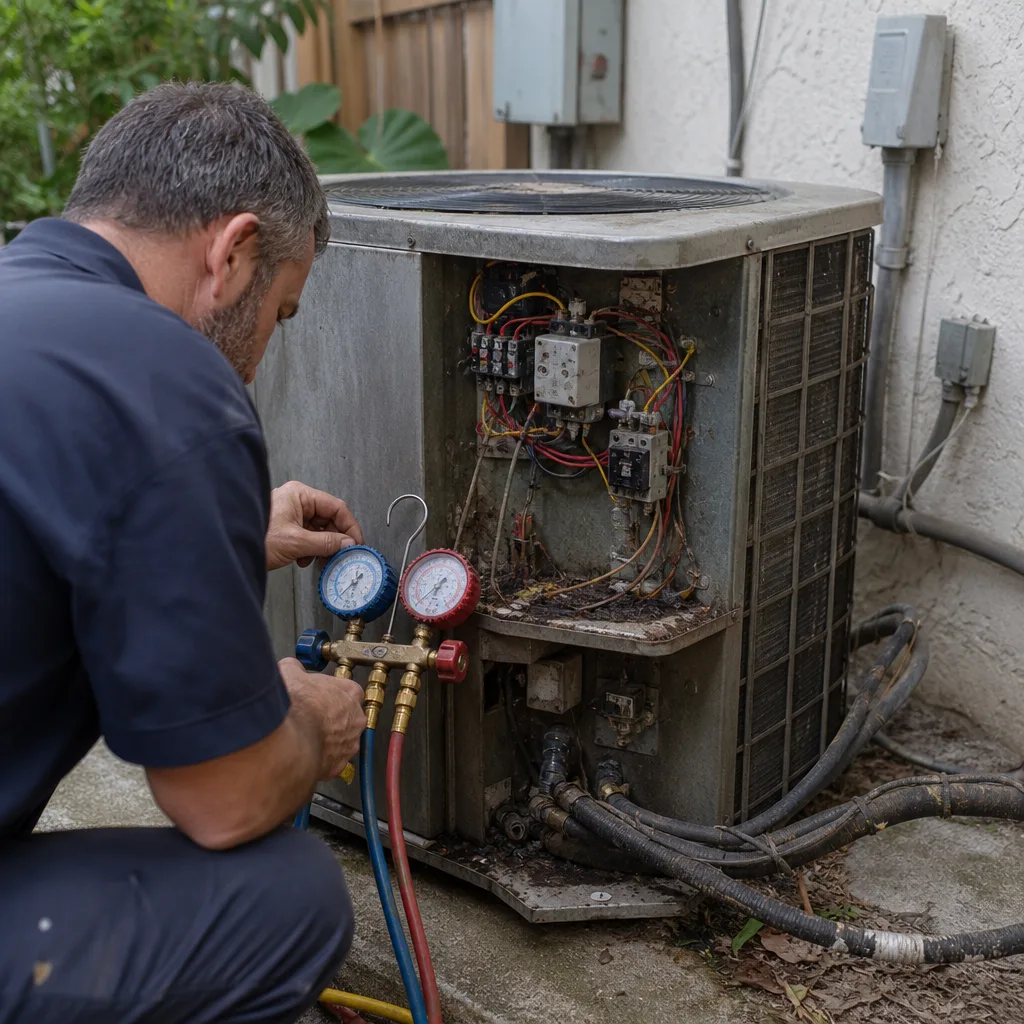 Before
 After
After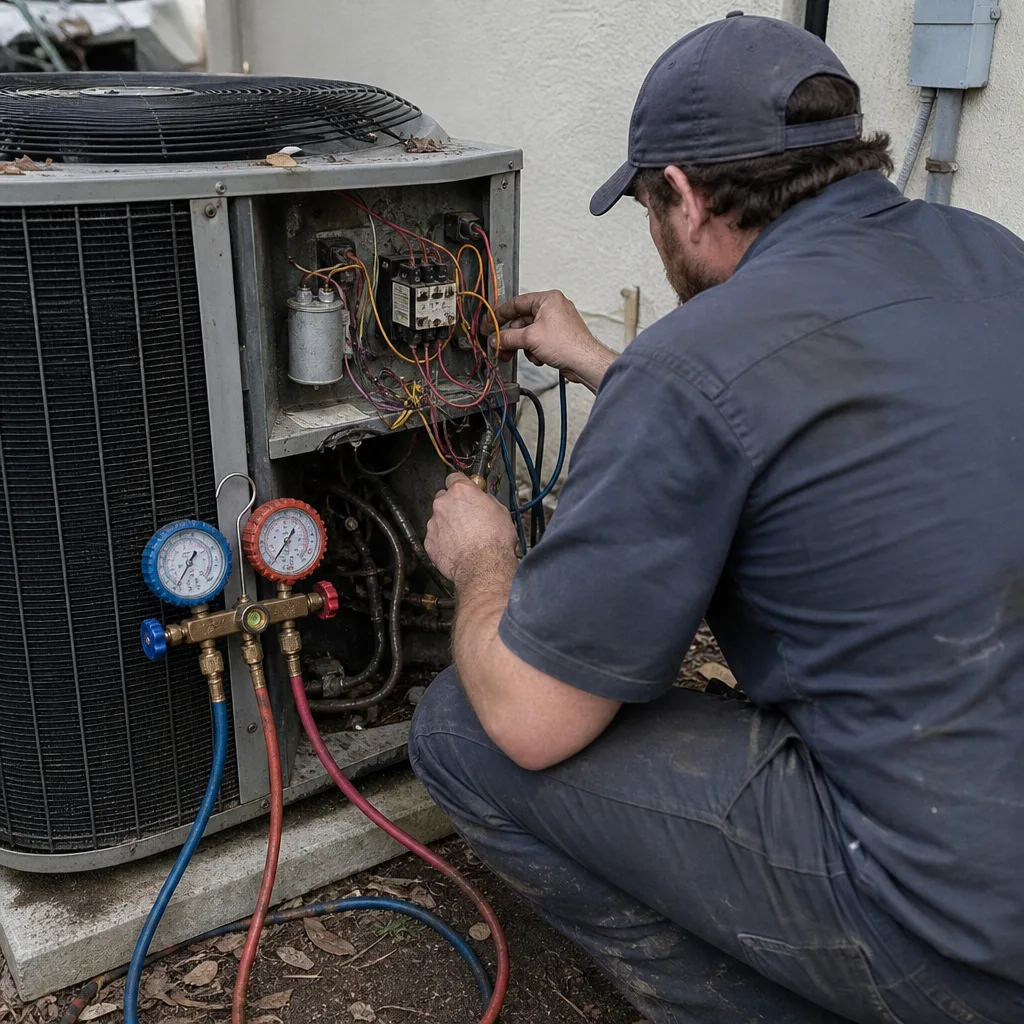 Before
 After
AfterDIY or Call Us?
Straight answer: the capacitor itself is not a safe DIY part. Even with the breaker off and the disconnect pulled, a capacitor can hold a charge strong enough to knock you back, and American Standard dual-run capacitors sit right next to live contactor terminals when the power is on. Homeowners get hurt on this part every year, and more than a few have wired the wrong µF rating and cooked a $2,000 compressor motor to save $200 on labor. We don’t recommend DIY on this one.
What you can do safely: set the thermostat to off, listen for the hum, check the breaker, and note the model number on the data plate above the refrigerant lines. Then call us at (850) 695-3178. We’ll give you a written price before we touch a screw, and the technician will show the old capacitor and the new one side by side so you can see the spec match yourself. Tell you what it costs, tell you what’s broken, then we fix it. In that order.
FAQs
Expect 5 to 10 years from an original capacitor in the Orlando climate, and often less if your AC runs hard through daily summer thunderstorms and power flickers. We regularly see American Standard capacitors fail in year 5 or 6 in neighborhoods like Dr. Phillips, where long run times wear the dielectric fluid inside the cylinder faster than the national average. A capacitor that’s over 8 years old and showing any start-up hesitation should be replaced proactively.
No. Capacitors are sealed, disposable components. Once the dielectric fluid breaks down or the cylinder swells, the part is a write-off and replacement is the only correct fix. No legitimate shop rebuilds capacitors, and anyone who claims they can is costing you money in future failures.
The swap itself takes 30 to 45 minutes once the part is in hand. Add 15 minutes for diagnostic testing to confirm the capacitor is the actual fault and another 10 to verify the system starts cleanly and pulls normal amperage. Most Orlando appointments are done inside an hour, often faster on a dual-run capacitor that’s a direct spec match.
Yes. Our trucks carry the most common American Standard dual-run ratings (35/5, 40/5, 45/5, 50/5, 60/5) in 440-volt spec, plus single-run capacitors for the fan motors on American Standard air handlers. If you have an uncommon model, we can have the exact OEM-labeled part the same day or next morning from our Orlando supply houses. We also stock parts for Carrier, Trane, and Lennox brands on the same trucks. Call (850) 695-3178 and we’ll confirm stock before you book.
Power surges and brownouts are hard on capacitors, because the part’s whole job is to store and release electrical energy in precise amounts. A voltage spike forces the capacitor to absorb more than it’s rated for, degrading the dielectric insulation inside. Orlando’s afternoon lightning storms are a leading cause of mid-summer capacitor failures, which is why we install 440-volt rated replacements whenever the original is a 370-volt part. It gives you a thicker safety margin for the next storm season.
Ready to Get Your American Standard Running Again?
If your AC is humming, short-cycling, or dead in the Orlando heat, don’t wait for the capacitor to take the compressor with it. Our Orlando-based team answers the phone live, 24/7, and we’ll give you a straightforward diagnosis, a written price before work starts, and a written guarantee on the repair. Book online or call (850) 695-3178 for a free estimate and a live arrival time you can track to your door.
Written by Andre Fuller, Owner & Lead HVAC Technician, Halden Heating and Air Orlando at Halden Heating and Air Orlando, serving Orlando and nearby areas.