
Last updated October 16, 2026
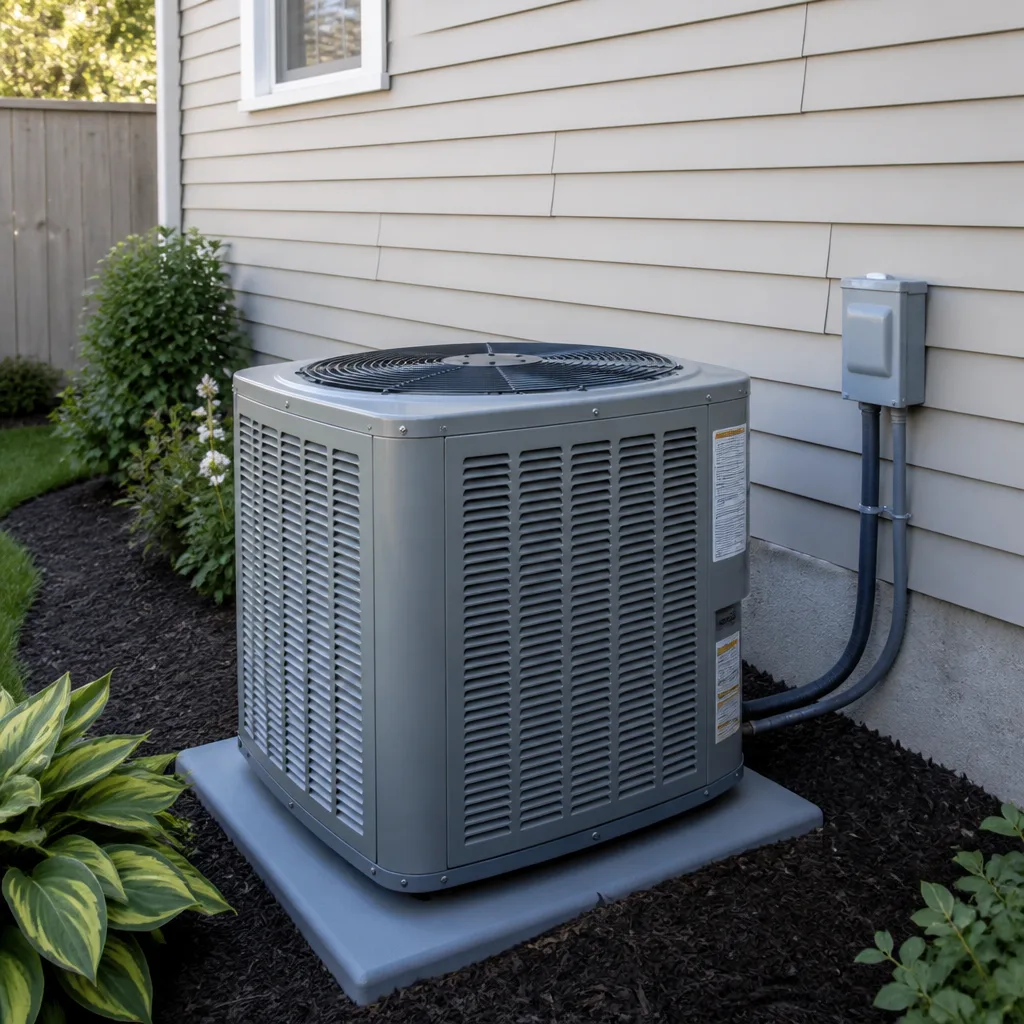 AC repair
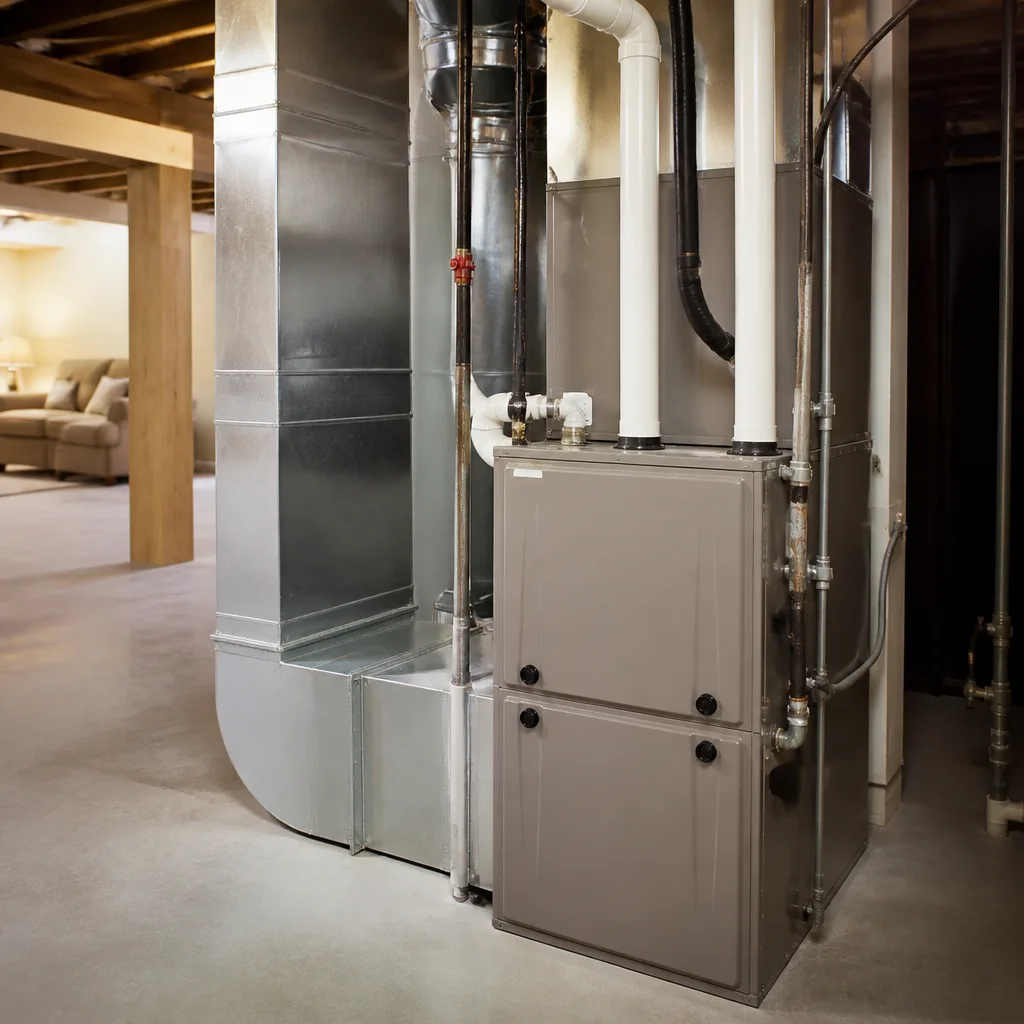 Furnace & heating
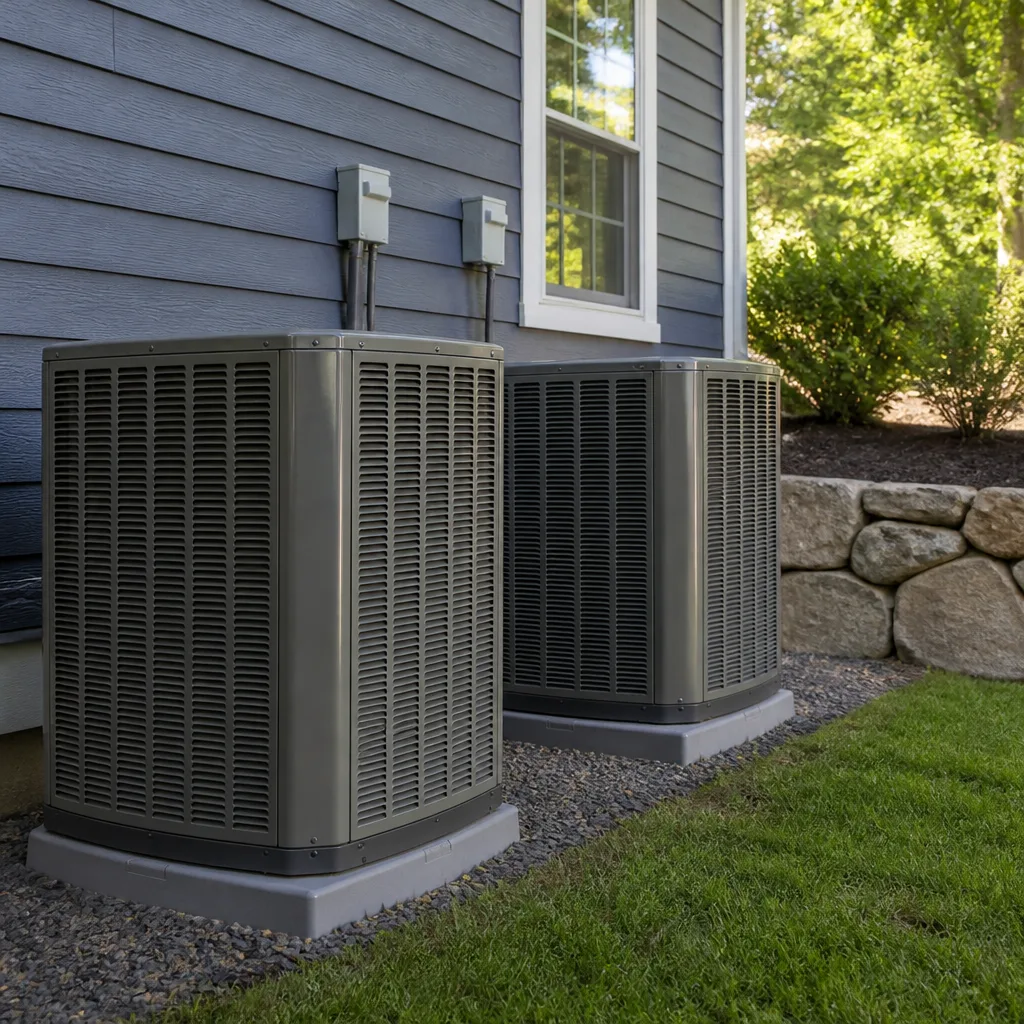 Heat pumps
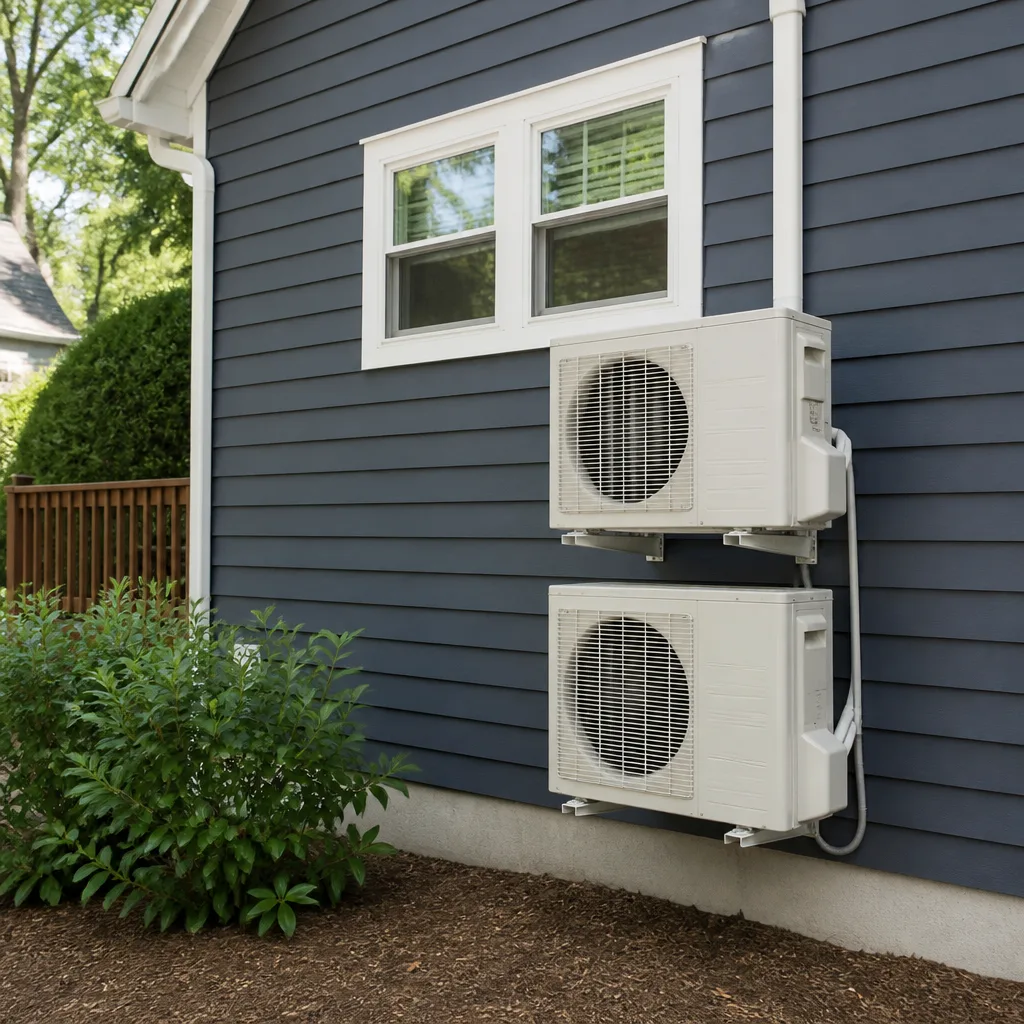 Ductless mini splits
 Carrier
 Trane
Trane Goodman
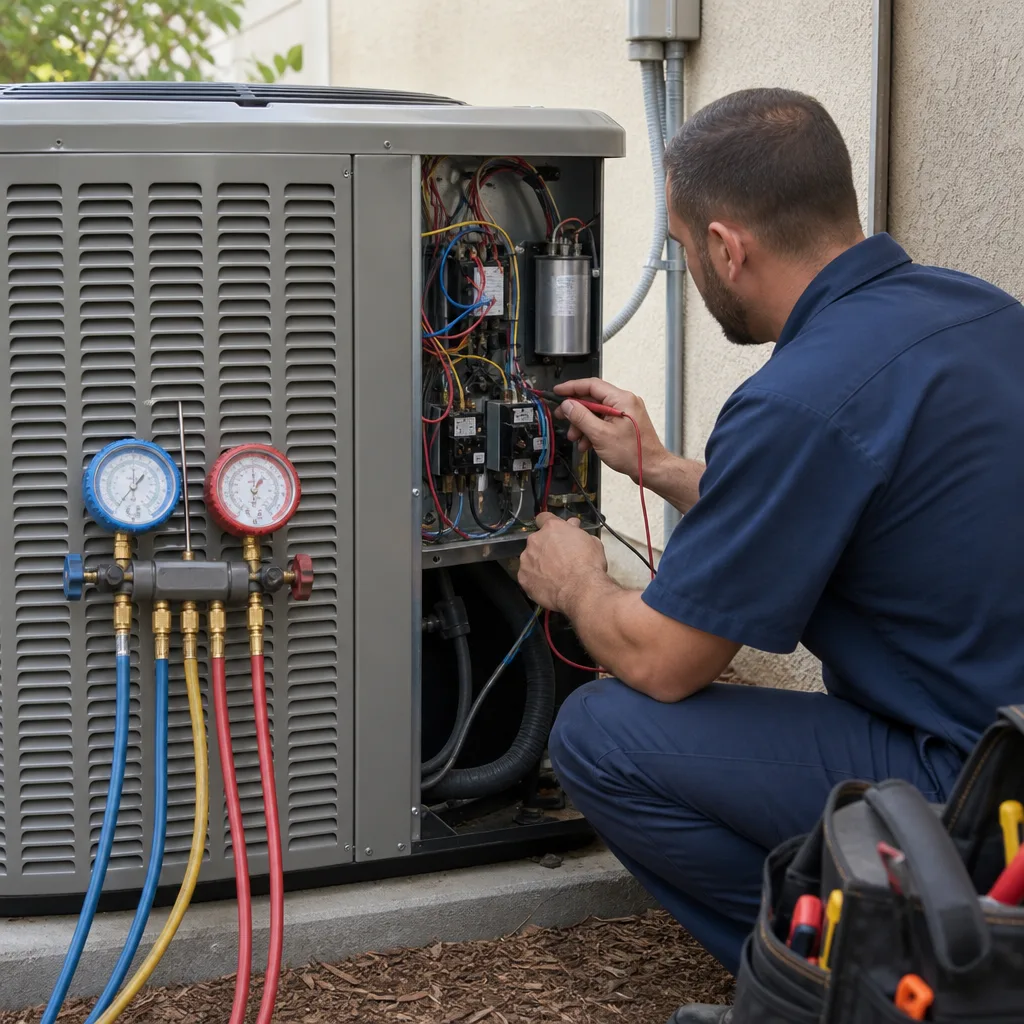
Seasonal tune-up and full diagnostic on your Carrier, Trane, or Goodman system - readings shown to you before any repair is proposed
Diagnosis first, numbers second - you approve the repair price before a single part goes in.
Get your free estimateHow to Hire a HVAC Contractor in Orlando: A Step-by-Step Guide
Florida’s Department of Business and Professional Regulation logs hundreds of HVAC contractor complaints every year, and the most common pattern isn’t fraud. It’s homeowners who never verified a license, never asked for a written scope, and never knew a permit was required. The contractor wasn’t necessarily crooked; the homeowner just didn’t know what to ask. This guide gives you a repeatable five-step process for vetting any HVAC contractor in Orlando, from license verification to comparing quotes side by side. By the time you finish reading, you’ll know exactly what separates a contractor who protects you legally and financially from one who leaves you holding the bag on a bad install.
Styles & brands we work with
Quick Answer
To hire an HVAC contractor in Orlando, verify their Florida Certified Air Conditioning Contractor (CAC) license on the DBPR portal, require a written scope of work with equipment model numbers before signing, confirm permit responsibility in writing, and compare at least three quotes using SEER2 rating, AHRI certificate numbers, and labor warranty length. If a contractor won’t put these details in writing, walk away. At Halden Heating and Air Orlando, we’ve built our entire process around this standard: a written price before any work starts, a written guarantee on every repair, and a live arrival time you can track.
Table of Contents
- Step 1: Verify the Florida HVAC License on DBPR (Under 2 Minutes)
- Step 2: Require a Written Scope of Work Before You Sign
- Step 3: Understand Permits and Who Pulls Them
- Step 4: Compare Three Quotes When the Brands Differ
- Step 5: Read the Warranty Language Like a Contract
- Red Flags Specific to the Orlando HVAC Market
- Common Mistakes to Avoid
- When to Call a Professional
- Frequently Asked Questions
- The Bottom Line
Step 1: Verify the Florida HVAC License on DBPR (Under 2 Minutes)
Every legitimate HVAC contractor in Orlando holds a Florida Certified Air Conditioning Contractor license, commonly called a CAC license. The Florida Department of Business and Professional Regulation (DBPR) maintains a public portal where you can look up any contractor by name, license number, or business name. Here’s the exact process:
- Go to myfloridalicense.com, the DBPR’s public license portal.
- Click “Search for a Licensee” and enter the contractor’s name or license number.
- Look for the license type “Certified Air Conditioning Contractor” – not just “Registered.” A certified license allows work anywhere in Florida; a registered license is limited to specific counties.
- Check the license status. It should say “Current, Active.” If it says “Delinquent,” “Revoked,” or “Null and Void,” that contractor cannot legally perform HVAC work.
- Note the license issue date and any complaint history listed on the same page.
Here’s what most people don’t realize: if you hire an unlicensed contractor and they damage your home or injure themselves, your homeowner’s insurance will likely deny the claim. An expired or unlicensed result isn’t just a technicality; it changes your financial exposure entirely. In our experience serving Orlando homeowners since 2004, we’ve seen cases where a homeowner discovered mid-project that the person in their attic had no active license and no workers’ compensation coverage. That’s a risk nobody should take quietly.
One more thing: an active CAC license also means the contractor has met Florida’s continuing education requirements and maintains liability and workers’ comp insurance. Verify the license means those protections are in place. Skip it, and you’re trusting a business card over a state record.
Step 2: Require a Written Scope of Work Before You Sign
A handshake is not a contract. Before you agree to any AC installation or repair in Orlando, you need a written document that answers five specific questions. If even one is missing, you don’t have a complete agreement.
The five questions that must be answered in writing:
- Scope: Exactly what work is being performed? “Replace AC system” is not a scope. “Replace 3-ton condenser and evaporator coil, reconnect existing ductwork, test refrigerant charge” is a scope.
- Permit responsibility: Who pulls the mechanical permit – the contractor or you? If the contractor says they’ll handle it, the written agreement should say so.
- Equipment model numbers: Not just a brand name. You need the exact model numbers for the condenser, air handler, and coil. Without model numbers, you can’t verify AHRI efficiency ratings or warranty registration.
- Warranty terms: What does the labor warranty cover, for how long, and what’s excluded? A “10-year warranty” usually refers to parts from the manufacturer; the labor is often separate and shorter.
- Payment schedule: How much is due upfront, at the midpoint, and at completion? Florida law caps down payments for home improvement contracts, so a contractor demanding 100% upfront is a red flag.
At Halden Heating and Air Orlando, we put the written price in front of you before any work starts. Not a verbal estimate. A written document. And every repair includes a written guarantee – if the repair fails within the coverage window, we come back at no charge. That’s the standard we think every Orlando homeowner should demand from any contractor.
Step 3: Understand Permits and Who Pulls Them
In Orlando, any meaningful HVAC installation – new system, condenser replacement, or ductwork modification – requires a mechanical permit from the City of Orlando or Orange County, depending on jurisdiction. Before you start, review our HVAC Permits, Codes & Inspections in FL: What You Need to Know. When a contractor says “we’ll pull the permit,” that phrase carries more weight than most homeowners realize.
Here’s what “we’ll pull the permit” actually means for your timeline and legal protection:
- The contractor files the permit application with the local building department. This happens before work begins, not after the unit is already installed.
- An inspector must visit after installation. A city or county inspector will check that the installation meets Florida Building Code. If the contractor skips the permit, that inspection never happens, and you’ll discover the problem at resale when a home inspector flags an unpermitted system.
- The permit creates a record tied to your address. When you sell the home, buyers and title companies can verify the HVAC system was installed legally and inspected.
- Timeline impact: Permit processing in Orlando typically takes 1 to 5 business days, and inspection scheduling adds another few days. A contractor who promises a next-day install with no mention of permits is almost certainly skipping the inspection process.
What if a contractor suggests skipping the permit to “save you money”? That “savings” becomes your liability. Unpermitted work can void your homeowner’s insurance coverage for any related damage, complicate a future sale, and trigger code enforcement issues. The permit isn’t optional paperwork; it’s the legal record that protects you.
Step 4: Compare Three Quotes When the Brands Differ
One Orlando contractor quotes you a Lennox system, another quotes Goodman, and a third quotes Rheem. The prices are hundreds of dollars apart, and you can’t tell if you’re comparing apples to apples. Here’s a framework that cuts through the confusion.
Compare these three data points across every quote:
- SEER2 rating: This is the new federal efficiency metric that replaced SEER in 2023. In Florida, new AC systems must meet SEER2 14.3 minimum for split systems. Higher SEER2 means lower monthly cooling costs, but the price gap may take years to recover. Write down the SEER2 number from each quote.
- AHRI certificate number: Every legitimate equipment pairing (condenser + coil + air handler) has an AHRI reference number that certifies the real-world efficiency. Contractors who quote high-efficiency claims without an AHRI number may be pairing mismatched equipment. Ask for the number, then verify it at ahridirectory.org.
- Labor warranty length: Parts warranties are manufacturer-backed and often similar across brands (typically 10 years with registration). The real differentiator is labor: one year, two years, five years? A longer labor warranty costs the contractor real money, so it signals confidence in the install quality.
Here’s a practical example. A Goodman 14.3 SEER2 system and a Lennox 16 SEER2 system may both cool your home comfortably, but the Lennox will use less electricity and may qualify for a federal tax credit. However, if the Goodman quote includes a 5-year labor warranty and the Lennox quote includes a 1-year labor warranty, the Goodman becomes the more financially protected choice. The brand name doesn’t do the protecting; the written warranty terms do.
In our experience across Orlando’s neighborhoods – from College Park to Lake Nona to Winter Park – homeowners who follow this framework make faster, more confident decisions. They stop agonizing over brand comparisons and start comparing the numbers that actually affect their monthly bills and long-term risk.
One more note: York and Rheem systems are also widely installed in the Orlando market, and both have strong dealer networks locally. The brand matters less than the installation quality. A badly installed premium system underperforms a properly installed budget system, every single time.
Step 5: Read the Warranty Language Like a Contract
The warranty is not a bonus. It’s the risk-transfer mechanism that determines who pays when something fails. Yet most Orlando homeowners never read a single line of their warranty before signing. Here’s what to look for, line by line.
Parts warranty vs. labor warranty: This is the most common confusion. A “10-year warranty” almost always refers to manufacturer parts coverage, not labor. The manufacturer will send a replacement compressor; they will not pay the technician to install it. Labor warranties are separate, shorter, and vary widely between contractors. When comparing quotes, ask: “How long is your labor warranty, not the manufacturer’s parts warranty?”
Warranty registration requirements: Most manufacturers require the homeowner or contractor to register the equipment within 60 or 90 days of installation. Miss the window, and the 10-year parts warranty drops to a 5-year base warranty, sometimes less. A contractor who handles registration for you and provides a confirmation is doing real work; one who tells you “just go online and register” is offloading a task that may never get done.
What voids a warranty: Skipped annual maintenance, unlicensed modifications, and using non-approved parts are common voiding conditions. Ask for the written conditions. If a contractor will not give you the warranty document before you sign, that’s not a warranty; that’s a promise with no paper trail.
At Halden Heating and Air Orlando, every repair and installation includes a written guarantee. We also back that with our 365-Day Done Right Promise – a full year of accountability on every completed job. If it’s not done right, we make it right. That guarantee is in writing, included with service, not offered as an add-on.
Red Flags Specific to the Orlando HVAC Market
Orlando’s HVAC market has some features you won’t see elsewhere. High humidity, hurricane season, and a steady pipeline of new residents from out of state create conditions where certain bad-actor patterns thrive. Here’s what to watch for.
- Door-to-door post-storm solicitations: After a hurricane or severe storm, unlicensed contractors and out-of-state crews flood Orlando neighborhoods offering “quick” AC repairs. Legitimate contractors do not go door to door after weather events. Verify any post-storm offer through DBPR before letting anyone touch your system.
- Quotes given without entering the attic: An AC system’s ductwork, air handler, and insulation live in the attic, and Orlando attics reach 130°F in summer. A contractor who quotes a full system replacement from the driveway is guessing on the ductwork condition, the access clearance, and the scope. If they haven’t been in your attic, the price is a placeholder, not a quote.
- Prices that skip the equipment line item: “Complete AC replacement: $8,500.” What unit? What tonnage? What SEER2 rating? A written quote without an equipment line item is an invitation to install whatever’s left in the truck. Every legitimate Orlando quote includes the equipment model number, tonnage, and efficiency rating as a distinct line item.
- Extreme lowball bids: In a competitive market like Orlando, prices cluster. If one quote is 40% below the others, something is being omitted – permits, proper equipment, code-required modifications, or licensed labor. The lowball contractor makes their margin back through change orders once the system is apart.
- Phrases that avoid written commitments: “We’ll take care of the permit after we get started,” “I’ll put the warranty in the invoice later,” or “We don’t really do written quotes for repairs.” When you hear these in Orlando, end the conversation.
Common Mistakes to Avoid
- Hiring without checking the DBPR license. In Florida, an unlicensed contractor doing HVAC work over $1,000 in total project cost is committing a felony. Your exposure isn’t just to bad work; it’s to the legal and insurance consequences of the arrangement itself.
- Accepting a verbal estimate as a final price. Verbal estimates are worth the paper they’re printed on. In Orlando’s HVAC market, legitimate contractors provide written scope and pricing before work begins, without exception.
- Choosing based on the lowest bid without comparing equipment. A $6,500 quote for a 14.3 SEER2 system is not a better deal than a $7,800 quote for a 17 SEER2 system with a 5-year labor warranty. Compare the numbers, not just the dollar total.
- Assuming the contractor will handle the permit. Many Orlando homeowners sign a contract, get the system installed, and only discover at resale that no mechanical permit was ever filed. Confirm permit responsibility in writing before signing.
- Skipping attic inspection during the quote. If the contractor didn’t look at your ducts, air handler, and insulation, the quote isn’t based on your actual home. Ductwork replacement can be a $3,000 to $8,000 add-on that never appeared in the original number.
- Not registering the equipment warranty. A 10-year parts warranty that was never registered with the manufacturer becomes a 5-year warranty. That’s five years of protection forfeited by a missed form.
- Paying full price upfront. Florida law limits down payments for home improvement contracts. Legitimate Orlando contractors follow a draw schedule tied to project milestones. Full payment before completion signals a contractor who doesn’t expect to finish.
When to Call a Professional
Some situations don’t require a guide; they require a technician. If you hear grinding from the condenser unit, smell electrical burning near the air handler, or your AC is blowing warm air during an Orlando summer afternoon with an attic temperature over 120°F, don’t wait. These are not DIY diagnostics, and the longer they run unrepaired, the more expensive they become. If your system is over 12 years old and needs a compressor, you’re at the replace-versus-repair decision point, and that’s a conversation to have with a licensed professional, not a YouTube video. Halden Heating and Air Orlando offers free estimates in Orlando – call (850) 695-3178 and we’ll send a background-checked technician with a live arrival time you can track.
Frequently Asked Questions
Search the contractor’s name or license number on myfloridalicense.com, the DBPR’s public portal, and look for a “Certified Air Conditioning Contractor” license with “Current, Active” status. If the status is delinquent or the license type is “Registered” but they’re working outside their registered counties, they cannot legally perform HVAC work in Orlando.
A complete AC replacement in Orlando typically ranges from $6,500 to $14,000 depending on system size, SEER2 efficiency rating, and ductwork condition, with most 3-ton systems landing between $8,000 and $11,000. For deeper pricing analysis, see our HVAC Cost Breakdown: The Orlando Homeowner’s Reference for 2026. The final price depends heavily on brand, efficiency tier, and whether your existing ducts or electrical work need updating to meet current Florida Building Code.
The standard threshold is age plus repair cost: if your system is over 12 years old and the repair exceeds 40% of a replacement cost, replacement usually makes more financial sense, especially in Orlando’s climate where systems run 10 months a year. Ask your contractor to show you the repair and replacement numbers side by side so you can compare lifetime costs, not just the immediate bill.
Yes, Halden Heating and Air Orlando answers calls live 24/7 and can often schedule same-day AC repair in Orlando, especially for urgent cooling failures during summer. Call (850) 695-3178 and we’ll give you a live arrival time you can track to your door, not a four-hour window.
Yes, federal tax credits are available for high-efficiency systems meeting specific SEER2 requirements, and OUC and Duke Energy both run rebate programs for qualified installs in the Orlando area. A reputable contractor will give you the exact rebate eligibility for the specific equipment model quoted, in writing, before you sign.
A Certified Air Conditioning Contractor can work anywhere in Florida, while a registered contractor’s license is limited to the specific counties or municipalities where they’re registered. For Orlando homeowners, a state-certified license provides more flexibility and a stronger signal that the contractor has met Florida’s statewide competency standards.
The Bottom Line
Hiring an HVAC contractor in Orlando isn’t about finding someone who knows how to install an air conditioner. That’s table stakes. It’s about finding someone who will put the license number in front of you, the model numbers in writing, the permit responsibility on paper, and the warranty terms in language you can read. The five-step process in this guide – verify the license, require a written scope, understand the permit, compare quotes by the numbers, and read the warranty – will protect you from the most common financial traps in the Orlando HVAC market. For more guides & resources, visit our blog. At Halden Heating and Air Orlando, we do all of this as standard practice, not as a favor, because homeowners deserve it. Call us at (850) 695-3178 for a free estimate, and we’ll put the price in writing before any work starts.
Written by Andre Fuller, Owner at Halden Heating and Air Orlando, serving Orlando since 2004.
See the difference
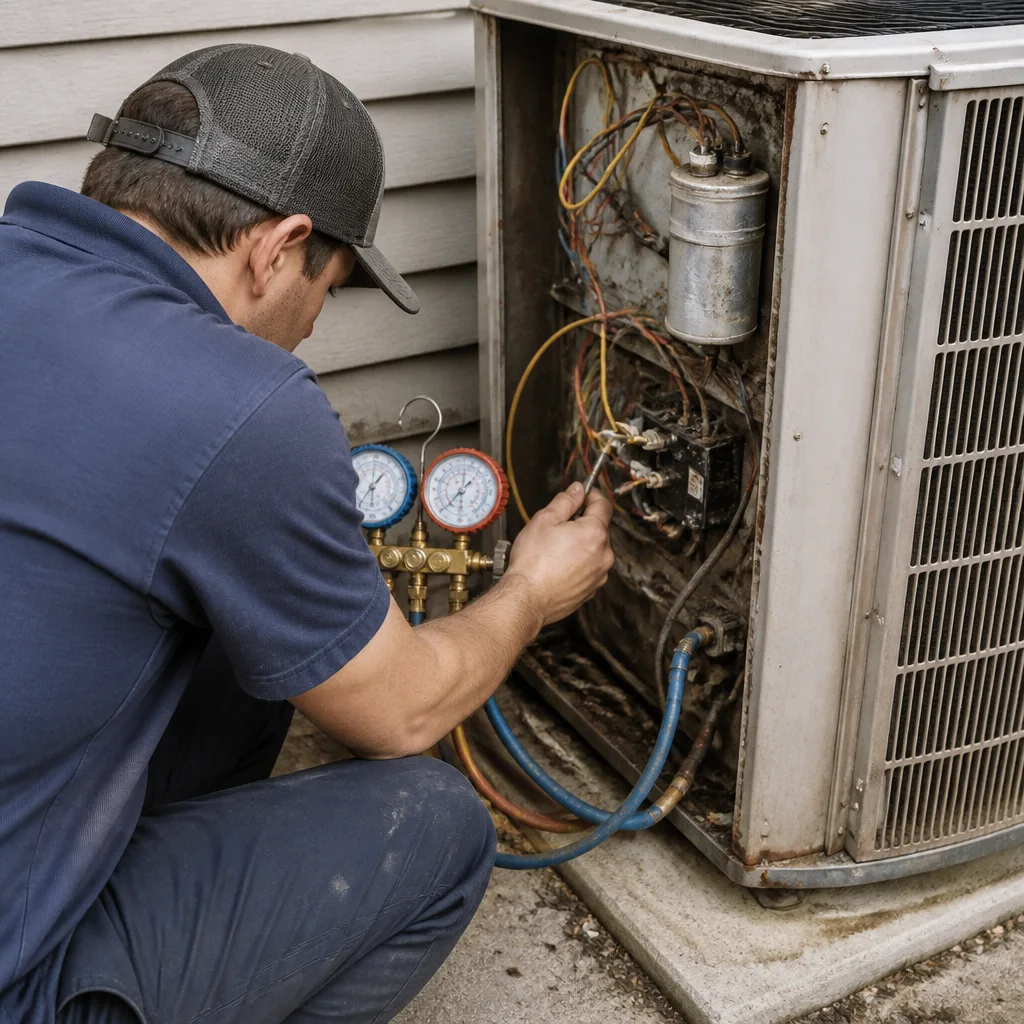 Before
 After
After Before
 After
After Before
 After
After